skinperfectioncenter

Uncategorized

Uncategorized

Common Allergy, Eczema & Dermatitis in Pakistan | Dermatologist

Allergy, Eczema & Dermatitis in Pakistan SEO Title: Common Allergy, Eczema & Dermatitis in Pakistan | Dermatologist Meta Description: Learn about common allergy, eczema and dermatitis in Pakistan, including atopic eczema, contact dermatitis, PMLE, scabies-related eczema and Paederus dermatitis. Suggested URL Slug: common-allergy-eczema-dermatitis-pakistan Search Intent: Informational + local dermatology/skin-condition search  Common Types of Allergy, Eczema & Dermatitis in Pakistan and Asia   Skin allergies, eczema and dermatitis are common concerns in Pakistan, affecting children and adults with symptoms such as itching, redness, dryness, rashes, swelling, burning and irritated skin. Hot weather, humidity, dust, pollution, sweating, fragrances, cosmetics, detergents and occupational exposure can sometimes trigger or worsen skin inflammation. The terms eczema and dermatitis are often used interchangeably, but they can describe several different inflammatory skin conditions. Identifying the specific type is important because treatment depends on the underlying cause and the severity of the symptoms. In this guide, Dr. Sommiya Anum, cosmetic dermatologist at Skin Perfection Centre, explains the common allergy, eczema and dermatitis conditions seen in Pakistan, their possible triggers, warning signs and available dermatological treatment approaches. Whether you are experiencing a recurring itchy rash, dry cracked skin, contact reaction after using a cosmetic product, or unexplained redness and irritation, understanding the possible cause is the first step toward appropriate care. A dermatologist can assess your symptoms, medical history and skin pattern to help determine whether you have eczema, allergic contact dermatitis, irritant dermatitis, or another skin condition that may look similar.   Eczema and dermatitis are terms often used to describe inflammatory skin conditions that can cause: Itching Redness Dryness Scaling Burning or stinging Crusting Small blisters Thickened skin from chronic scratching Although the terms are sometimes used interchangeably, dermatitis can have several different causes, including allergic reactions, direct irritation, environmental exposure and other inflammatory processes. Common Types of Allergy, Eczema & Dermatitis in Pakistan . Atopic Dermatitis (Atopic Eczema) Atopic dermatitis is a chronic inflammatory skin condition that commonly begins during childhood but can also affect adults. People with atopic dermatitis may have an impaired skin barrier, making their skin more sensitive to environmental triggers. Common triggers include: Heat and sweating Humidity Cold or dry weather Dust and house-dust mites Wool and rough fabrics Fragranced skincare products Harsh soaps and detergents Stress and poor sleep Respiratory allergies Certain foods in selected children Importantly, atopic dermatitis is not usually caused by one specific food or allergy. Trigger patterns vary between individuals. 2. Allergic Contact Dermatitis Allergic contact dermatitis occurs when the immune system reacts to a substance that has contacted the skin. Common triggers include: Fragrances Cosmetics Hair dyes Nickel Jewellery Preservatives Topical medications Certain plants Rubber and occupational materials The rash may appear at the site of contact, although it can sometimes spread beyond the original area. Patch testing may help identify relevant contact allergens in selected patients.  3. Irritant Contact Dermatitis Unlike allergic contact dermatitis, irritant contact dermatitis does not require an allergic immune response. It occurs when a substance directly damages or irritates the skin. Common causes include: Detergents Soaps Cleaning chemicals Frequent hand washing Disinfectants Solvents Occupational exposure Excessive water exposure Hands are particularly vulnerable, especially among people who frequently wash their hands or work with chemicals. 4. Seborrheic Dermatitis Seborrheic dermatitis commonly affects areas rich in sebaceous glands. Typical locations include: Scalp Eyebrows Around the nose Behind the ears Beard area Upper chest Patients may develop redness, itching and greasy or flaky scales. Stress, weather changes and other factors can influence flare-ups. . Nummular Eczema Nummular eczema is characterized by round or coin-shaped itchy patches. It may occur on: Legs Arms Trunk Hands Dry skin, irritation and environmental factors may contribute to flare-ups. Because several skin diseases can produce circular lesions, persistent or unusual patches should be properly assessed rather than automatically assumed to be eczema. 6. Hand Eczema Hand eczema is particularly important because the hands are constantly exposed to water, soaps, detergents and chemicals. Symptoms can include: Dryness Cracking Redness Scaling Burning Itching Painful fissures Blisters in some forms People working in healthcare, cleaning, food preparation, beauty services and other occupations involving frequent hand exposure may be particularly affected.    7. Dyshidrotic Eczema Dyshidrotic eczema, also called pompholyx, may produce small, intensely itchy blisters on the: Palms Sides of fingers Soles of the feet Heat, sweating, stress and certain exposures may aggravate symptoms in some individuals.   : 8. Flexural Eczema and Other Eczematous Eruptions Eczematous conditions may also affect body folds, particularly where heat, moisture and friction are present. In Pakistan’s warm climate, sweating and occlusion may aggravate irritation. However, fungal infections can also affect skin folds and may sometimes resemble eczema. This is why accurate diagnosis is important before using treatments such as topical corticosteroids. Other Important Dermatitis and Photosensitivity Conditions in Pakistan 9. Photocontact Dermatitis Photocontact dermatitis occurs when a substance on the skin becomes reactive after exposure to ultraviolet radiation, usually UVA. Triggers can include: Certain fragrances Some sunscreens or UV filters Topical medications Antiseptics Disinfectants Plant products Citrus-containing substances Occupational chemicals It commonly affects sun-exposed areas such as the: Face Neck Forearms Hands Phototoxic reactions may resemble sunburn, while photoallergic reactions may appear more like an itchy eczematous rash. 10. Polymorphic Light Eruption (PMLE) Polymorphic light eruption is a common photosensitivity disorder. It may occur after a sudden increase in sun exposure, particularly during spring and summer. Symptoms can include: Itchy papules Red plaques Small blisters Vesicles Common areas include the chest, neck, arms and forearms. PMLE is not contagious and may improve when the skin gradually becomes accustomed to sunlight. Sun protection is an important part of prevention. 11. Post-Scabetic Eczema / Post-Scabetic Dermatitis After successful treatment of scabies, itching can sometimes continue for several weeks. This may happen because of: Persistent hypersensitivity to mite antigens Residual inflammation Scratching Skin-barrier damage Irritation from repeated topical treatments Persistent itching does not automatically mean that scabies treatment has failed. However, new burrows, new typical lesions or continuing symptoms among close contacts should prompt medical reassessment.  
Dr. Sommiya. Learn what causes melasma, when to seek treatment, and how creams, peels, lasers and microneedling may help
Uncategorized

Best Melasma Treatment in Lahore: Dr. Sommiya’s Guide to Pigmentation Care

Best Melasma Treatment in Lahore: Dr. Sommiya’s Guide to Pigmentation Care SEO Title: Best Melasma Treatment in Lahore | Dr. Sommiya, Skin Perfection Centre Meta Description: Discover the best melasma treatment in Lahore with Dr. Sommiya. Learn what causes melasma, when to seek treatment, and how creams, peels, lasers and microneedling may help. Focus Keyword: Best Melasma Treatment in Lahore Suggested URL Slug: best-melasma-treatment-lahore The Brown Patches That Wouldn’t Go Away She first noticed them in the mirror on a bright summer morning. At first, the brown patches on her cheeks looked like ordinary sun pigmentation. She changed her face wash. Then she tried a brightening cream. When that didn’t work, she bought another product recommended on social media. For a few weeks, her skin appeared slightly brighter. Then the pigmentation came back. She started avoiding photographs. She applied foundation before leaving home. Friends told her, “Try a stronger whitening cream.” Someone recommended a peel. Another person suggested laser treatment. The problem wasn’t that she hadn’t tried enough products. The problem was that she didn’t yet know what she was treating. This is one of the most important lessons in melasma management. If you’re searching for the best melasma treatment in Lahore, the answer isn’t necessarily the strongest laser, most expensive cream or fastest facial. The better question is: What is causing the pigmentation, and what treatment is appropriate for my skin? At Skin Perfection Centre in Lahore, Dr. Sommiya Anum can assess pigmentation patterns, skin type, triggers and previous treatment history before developing an individualized treatment strategy. What Is Melasma? Melasma is a common pigmentation disorder that causes brown, grey-brown or darker patches to develop, particularly on areas of the face exposed to sunlight. Common locations include: Cheeks Forehead Upper lip Nose Chin Jawline Melasma is usually harmless, but it can be persistent and frustrating because pigmentation may improve and then return. Unlike a simple tan, melasma involves increased activity of pigment-producing cells and can be influenced by several internal and environmental factors. This is why successful treatment usually requires more than simply exfoliating the surface of the skin. Why Does Melasma Develop? There isn’t always one single cause. Melasma is believed to involve a combination of genetic tendency, ultraviolet radiation, visible light, hormonal influences, inflammation and other environmental factors. Common triggers and contributing factors include: Sun exposure Ultraviolet radiation Visible light Hormonal changes Pregnancy Oral contraceptives Genetic predisposition Heat Skin irritation Inflammation Certain skincare products For many people, sunlight is a major trigger. This explains why pigmentation may become more obvious after spending time outdoors, particularly during periods of strong sunlight. Dr. Sommiya’s Guide to Pigmentation Care What Does Melasma Look Like? Melasma commonly appears as relatively symmetrical patches. You may notice: Cheek pigmentation Brown or grey-brown patches across both cheeks are among the most recognizable patterns. Forehead pigmentation Some people develop patches extending across the forehead. Upper-lip pigmentation Darkness around the upper lip can sometimes resemble a shadow or moustache. Chin and jawline pigmentation Pigmentation may also occur around the lower face. Melasma can vary significantly in colour and depth. Some pigmentation is more superficial, while other cases may involve deeper pigment. A dermatologist can help determine whether the pigmentation actually appears consistent with melasma. What Is the Best Melasma Treatment in Lahore? There is no single best treatment for every patient. The best melasma treatment in Lahore is usually the treatment plan that is appropriately matched to: Your diagnosis Skin type Pigmentation pattern Severity Previous treatments Sensitivity Triggers Risk of post-inflammatory hyperpigmentation Long-term maintenance needs A dermatologist may consider several approaches. Dr. Sommiya’s Guide to Pigmentation Care These can include: Medical or prescription skincare Sunscreen and visible-light protection Chemical peels Selected laser or light-based procedures Microneedling Tranexamic acid in appropriate patients Pigment-controlling ingredients Long-term maintenance treatment The objective isn’t to aggressively remove pigment overnight. The objective is to control excess pigmentation while minimizing irritation and recurrence. 1. Medical Creams for Melasma Topical treatment is often an important part of melasma management. Depending on the patient’s condition, a dermatologist may consider ingredients such as: Hydroquinone Retinoids Azelaic acid Kojic acid Vitamin C Niacinamide Tranexamic acid Other pigment-regulating ingredients Some combinations can be effective but should be used appropriately. Dr. Sommiya’s Guide to Pigmentation Care One of the biggest mistakes people make is assuming that stronger means better. Repeated irritation from aggressive bleaching products, scrubs or acids can potentially worsen pigmentation. That’s why dermatologist-guided skincare is often preferable to randomly combining multiple brightening products. 2. Chemical Peels for Melasma Chemical peels can be considered for selected pigmentation patients. A peel works by producing controlled exfoliation and encouraging skin renewal. Depending on the patient’s skin, a dermatologist may choose different acids and concentrations. Treatment selection can depend on: Skin tone Pigmentation severity Sensitivity Previous reactions Pigmentation depth Risk of post-inflammatory pigmentation For pigmentation-prone skin, overly aggressive peeling isn’t necessarily better. A carefully selected treatment may be safer and more useful than a very strong peel. 3. Laser Treatment for Melasma Laser treatment may be considered for selected patients with persistent pigmentation. But melasma is one condition where more aggressive treatment does not automatically mean better results. Some patients may improve with carefully selected laser protocols. Others may experience recurrence or worsening pigmentation, particularly when the skin becomes significantly inflamed. This is why a dermatologist should consider: Skin type Melasma pattern Previous treatment Pigmentation depth Response to skincare Risk of post-inflammatory hyperpigmentation Laser should therefore be viewed as one possible tool rather than a universal solution. 4. Microneedling for Pigmentation Microneedling creates controlled micro-injuries in the skin and stimulates a healing response. It is better established for concerns such as acne scars and skin texture, but it may also be incorporated into selected pigmentation treatment plans. The exact technique matters. Needle depth, treatment frequency and the products used alongside the procedure should be professionally selected. If your primary concern is melasma, diagnosis should come before microneedling. For patients interested in skin rejuvenation, you can also explore our [Microneedling, Nano-Infusion

Uncategorized

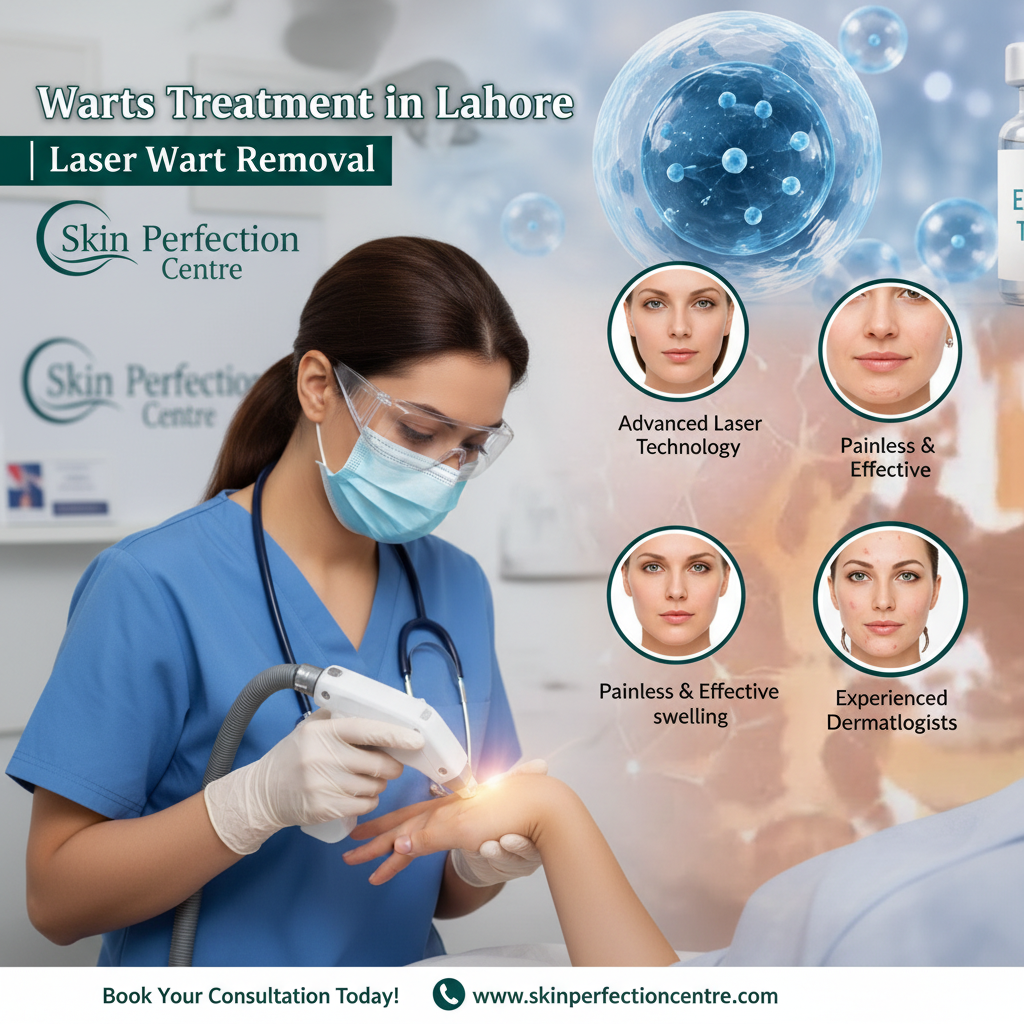
Viral Warts Treatment in Lahore Skin Perfection Centre 

Viral Warts Treatment in Lahore | Laser Wart Removal | Skin Perfection Centre  While many eventually disappear without treatment, persistent, painful, recurrent, or cosmetically troublesome warts may benefit from professional dermatological treatment. If you are looking for viral warts treatment, laser wart removal, or a dermatologist for warts in Lahore, the right approach begins with confirming the diagnosis and choosing treatment according to the wart’s type, location, thickness, number, skin type, previous treatments, pain tolerance, and recurrence history. What Are Viral Warts? Viral warts are benign skin lesions caused by infection with certain types of human papillomavirus (HPV). HPV can enter the skin through small cuts, abrasions, or areas where the skin barrier has been disrupted. Warts can appear on different parts of the body and may vary considerably in appearance. Some are small and smooth, while others are thick, rough, clustered, or located around the nails. Plantar warts on the feet can sometimes become painful because pressure pushes them inward. Although warts are usually harmless, they can spread from one area of the body to another or, in some circumstances, from one person to another. What Causes Viral Warts? The main cause of common viral warts is HPV infection of the skin. However, developing a wart is not simply a matte HPV infection of the skin.r of being exposed to HPV. Several factors can influence whether the virus establishes an infection and whether a wart persists. Potential contributing factors include: Viral Warts Treatment in Lahore Direct skin-to-skin contact Contact with contaminated surfaces Small cuts or breaks in the skin Nail biting or picking around the nails Moisture and maceration of the skin Repeated friction or trauma Individual immune response Personal susceptibility to HPV infection It is important not to incorrectly attribute ordinary viral warts to unrelated conditions. For example, hepatitis B or C and diet should not be presented as direct causes of common skin warts. Certain immune-related conditions can be clinically relevant because the immune system plays an important role in controlling HPV infections. Diabetes or a weakened immune system may also affect how persistent or difficult-to-treat a lesion becomes in some patients. Types of Warts Understanding the types of warts helps a dermatologist select an appropriate treatment. 1. Common Warts Viral Warts Treatment in Lahore Common warts usually appear as rough, raised growths on the hands, fingers, elbows, knees, or other areas. They may have a grainy or cauliflower-like surface and can occur as individual lesions or multiple growths. 2. Plantar Warts Plantar warts develop on the soles of the feet. Because walking places pressure on them, they can become uncomfortable or painful. They may also develop thickened surrounding skin, making them resemble a callus. 3. Flat Warts Viral Warts Treatment in Lahore Flat warts are generally smaller and smoother than common warts. They can occur in groups and are often found on the face, hands, or legs. Because they may be numerous and relatively subtle, professional assessment can be particularly useful when the diagnosis is uncertain. 4. Periungual Warts Periungual warts occur around or underneath the fingernails and toenails. These lesions can be challenging to treat because aggressive treatment may potentially damage the nail or surrounding structures. Treatment should therefore be carefully selected. 5. Other HPV-Related Warts Some HPV-related lesions occur in specialized areas, including the genital region. Genital lesions require appropriate professional assessment because their diagnosis, management, and transmission considerations differ from those of ordinary hand or foot warts. Do Viral Warts Go Away on Their Own? Yes. Some viral warts resolve spontaneously as the immune system recognizes and controls the HPV infection. However, spontaneous resolution can take months or even years, and not every wart disappears without treatment. Treatment may be considered when a wart: Persists for a long time Becomes painful Spreads or increases in number Interferes with daily activities Causes significant cosmetic concern Repeatedly returns Has not responded to previous treatment Viral Warts Treatment Options There is no single best wart treatment for every patient. A dermatologist may consider one or more approaches depending on the diagnosis and characteristics of the lesion. Common options include: Salicylic acid Cryotherapy Laser treatment Electrosurgery Radiofrequency-based treatment Intralesional therapies Immunotherapy Combination treatment Treatment may require multiple sessions, particularly when the wart is thick, extensive, recurrent, or resistant to previous therapies. Energy-Based Devices for Wart Treatment For persistent or cosmetically troublesome lesions, dermatologists may consider energy-based technologies as part of an individualized treatment plan. These procedures should not be viewed as automatically superior to conventional treatments. The most appropriate method depends on the specific patient and lesion. CO₂ Laser for Warts CO₂ laser for warts uses concentrated laser energy to ablate targeted tissue. Because the treatment can be localized and controlled, CO₂ laser technology has been studied for selected resistant or recalcitrant warts, particularly when conventional treatment has not produced satisfactory results. The procedure may involve local anesthesia depending on the lesion and treatment area. After treatment, patients may experience temporary redness, swelling, discomfort, crusting, or changes in pigmentation. Appropriate wound care and infection-control precautions are important. CO₂ laser treatment is not automatically appropriate for every wart. A dermatologist should first confirm that the lesion is suitable for destructive treatment. Long-Pulsed Nd:YAG Laser The long-pulsed Nd:YAG laser has also been investigated for cutaneous warts. Its mechanism may involve targeting vascular structures associated with the wart and producing controlled thermal effects. It may be considered in selected thick, persistent, or treatment-resistant lesions. As with other laser approaches, treatment parameters should be individualized according to lesion characteristics and skin type. Pulsed Dye Laser The pulsed dye laser has also been studied as an option for some warts because of its ability to target blood vessels. However, response can vary, and evidence does not establish pulsed dye laser as a universally superior treatment. A dermatologist may consider it in selected circumstances based on the location, appearance, and treatment history of the lesion. Electrosurgery and Radiofrequency Electrosurgical and radiofrequency-based techniques use controlled thermal energy to destroy abnormal wart tissue. These

Uncategorized

Are Exosomes the Future of Regenerative Dermatology?

  Introduction: What Is Exosome Therapy? Exosome therapy is becoming one of the most discussed innovations in regenerative dermatology. From Exosomes for Skin and facial rejuvenation to Exosome Treatment for Hair Loss, researchers are exploring how extracellular vesicles may support tissue repair and cellular communication. Exosomes are tiny extracellular vesicles released by cells. They can carry proteins, lipids and other biological signals that influence communication between cells. This has created interest in their potential role in skin remodeling, wound healing and hair follicle biology. However, it is important to separate scientific potential from marketing claims. Exosome therapy is still an emerging field, and different products can vary considerably in their source, manufacturing, purification, concentration and characterization. A 2026 systematic review and meta-analysis of human aesthetic studies found encouraging improvements in several skin and hair outcomes, but also emphasized heterogeneity and non-standardized protocols. Why Are Exosomes Important in Regenerative Dermatology? Traditional cosmetic treatments often focus on improving the visible appearance of the skin. Regenerative approaches aim to support biological processes involved in repair and remodeling. Exosomes are being investigated because their biological cargo may influence pathways associated with: Cellular communication Collagen production Tissue repair Inflammation Angiogenesis Skin regeneration Hair follicle activity This makes Exosome Therapy in Aesthetics an interesting research area for dermatologists and aesthetic practitioners. A 2024 review of cosmetic dermatology literature reported potential applications in wound healing, scar prevention, skin regeneration, photodamage and hair loss, while also highlighting limitations such as inconsistent protocols and limited clinical evidence. What Are Exosomes Used For? 1. Exosomes for Skin Rejuvenation Exosome Skin Rejuvenation is being explored for improving skin texture, elasticity, pigmentation and signs of photodamage. Some clinical studies suggest potential improvements in wrinkles, elasticity, pigmentation and overall skin appearance. A 2026 meta-analysis reported measurable improvements across several aesthetic skin outcomes, although researchers noted that differences between protocols limit how broadly the results can be applied. 2. Exosome Treatment for Hair Loss Hair restoration is another major area of research. Exosome Hair Growth therapies are being investigated particularly for androgenetic alopecia and other forms of nonscarring hair loss. Researchers are interested in whether exosome-derived signaling can influence dermal papilla cells, inflammation and hair follicle activity. A 2025 systematic review identified 11 clinical studies involving exosome therapy for hair loss. Although improvements in hair density and thickness were reported, the authors emphasized small sample sizes, different exosome sources and inconsistent protocols. Therefore, Exosome Treatment for Hair Loss should currently be viewed as an emerging regenerative approach rather than a guaranteed cure for baldness. 3. Exosomes for Acne Scars Exosomes for Acne Scars are being investigated as part of skin remodeling strategies. The concept is particularly interesting when regenerative products are studied alongside procedures that intentionally stimulate controlled skin repair. However, evidence is still developing, and treatment should be individualized according to scar type, skin condition and the procedure being used. 4. Exosome Facial and Skin Rejuvenation An Exosome Facial may refer to different protocols depending on the clinic and product. Some providers combine topical preparations with procedures such as microneedling or other forms of controlled skin stimulation. Because the term “exosome facial” is not a standardized medical treatment, patients should ask exactly what product is being used and how it is manufactured. 5. Exosomes for Pigmentation and Dark Circles Researchers are also investigating Exosomes for Pigmentation and Exosome Therapy for Dark Circles. These applications remain less established than their marketing popularity may suggest. Pigmentation has many causes, including melasma, post-inflammatory hyperpigmentation and photodamage. The underlying diagnosis should be established before selecting any regenerative treatment. 6. Exosomes for Stretch Marks Exosomes for Stretch Marks represent another developing application. Because stretch marks involve changes in collagen and dermal structure, regenerative approaches are being studied for their potential role in improving skin remodeling. However, patients should have realistic expectations because established treatments may still be required depending on the age and severity of the stretch marks. What Is Exosome Microneedling? Exosome Microneedling combines controlled micro-injury with an exosome-based topical product. The theory is that microneedling creates temporary pathways and stimulates the skin’s natural repair response, while the applied product may provide additional biological signals. However, the exact benefits depend on the device, technique, product and protocol. The phrase “exosome microneedling” therefore should not be interpreted as one standardized treatment. What About Exosome Nano Infusion and Mesotherapy? Exosome Nano Infusion and Exosome Mesotherapy are terms used for protocols designed to deliver regenerative products into or onto the skin. Again, these terms can describe different procedures in different clinics. Patients should ask whether the product is actually characterized as an exosome preparation, an extracellular-vesicle product, conditioned media or another cosmetic formulation. Clear terminology matters because “exosome” is not a single standardized product. Can Exosomes Be Combined With Other Dermatology Procedures? Exosome-based products are sometimes marketed for use following procedures such as: Microneedling MNRF Fractional laser treatments CO2 laser procedures Other skin-remodeling treatments Exosomes After CO2 Laser and MNRF with Exosomes are examples of combination approaches being explored in aesthetic practice. The rationale is that controlled procedures stimulate repair, while regenerative products may potentially influence the healing environment. However, combination treatments require appropriate medical assessment, particularly regarding skin type, inflammation, infection risk and post-procedure care. When Should You Consider Exosome Therapy? There is no single ideal time for everyone. A qualified dermatologist or medical aesthetic professional should first determine: What skin or hair concern is being treated? Is there a clinically established diagnosis? Is exosome therapy appropriate for that concern? What exact product will be used? What is the source and manufacturing process? What clinical evidence supports the specific product and procedure? Are there safer or better-established alternatives? This approach is particularly important because commercial exosome products can differ substantially. Is Exosome Therapy FDA Approved? This is one of the most important questions patients should ask. The U.S. FDA states that there are currently no FDA-approved exosome products. The agency has also warned about serious adverse events associated with unapproved products marketed as containing exosomes. The FDA further

Uncategorized

Superficial Fungal Skin Infections: Types, Symptoms & Treatment | Skin Perfection Centre

Superficial Fungal Skin Infections: What, When, Why, Symptoms, Treatment & Prevention   Introduction: When an Itchy Rash Becomes More Than “Just an Allergy” It often starts with something small. A little itching between the toes. A red patch on the body. A rash around the groin after a hot day. Someone may initially think it is an allergy, heat rash, dryness, or irritation from clothing. Then the itching continues. Fungal Skin Infection Treatment → /superficial-fungal-skin-infections-treatment-lahore/ Skin Perfection Centre → https://skinperfectioncenter.com/ Dermatology Services → apni relevant dermatology services page ka URL Hair Loss Treatment → agar scalp fungal infection section ke andar relevant hair-loss page hai The patch becomes larger, the skin starts peeling, or similar spots appear somewhere else. This is where understanding superficial fungal skin infections Skin Perfection Centre becomes important. Fungal infections are common, particularly in warm and humid environments, but not every itchy or scaly rash is fungal. The right diagnosis matters because fungal infections can sometimes become persistent when treated incorrectly. A professional dermatological assessment can help identify the cause and guide appropriate treatment What Are Superficial Fungal Skin Infections? Superficial fungal skin infections are infections involving the outer layers of the skin, hair, or nails. They can be caused by different types of fungi and yeast. The most common groups include: Dermatophytes Candida Malassezia Dermatophyte infections are commonly called tinea or ringworm. Despite the name, ringworm has nothing to do with worms. It is a fungal infection that can affect skin, hair, and nails. Common examples include: Tinea corporis — body Tinea cruris — groin Tinea pedis — feet Tinea capitis — scalp Tinea manuum — hands Tinea faciei — face Tinea barbae — beard area Candidal skin infections Pityriasis versicolor Malassezia-associated skin conditions Each type can look different, which is why recognizing the pattern is important. Why Do Fungal Skin Infections Develop? Fungi generally grow well in warm, moist environments. That means excessive sweating, humidity, tight clothing, damp footwear, and prolonged moisture can create favorable conditions. Other contributing factors may include: Frequent sweating Skin-to-skin contact Shared towels or clothing Communal showers and changing rooms Contact with infected animals Friction between skin folds Certain medical conditions Reduced immune function Poorly controlled diabetes Repeated exposure to humid environments This does not mean that developing a fungal infection is a sign of poor hygiene. Even people who maintain excellent personal hygiene can develop fungal infections.   When Should You Suspect a Fungal Infection? There is no single appearance that confirms a fungal infection, but certain patterns may raise suspicion. Superficial Fungal Skin Infections: You may notice: Persistent itching A slowly expanding patch Scaling around the edges Circular or ring-like lesions Peeling between the toes A red or irritated groin rash Discolored patches on the chest or back Recurrent rashes in skin folds Scalp scaling with hair loss However, eczema, psoriasis, bacterial infections, contact dermatitis, and other conditions can produce similar symptoms. That is why self-diagnosing every itchy rash as fungal may lead to the wrong treatment.   1. Tinea Corporis: Fungal Infection of the Body Tinea corporis is commonly known as the ringworm of the body. Imagine noticing a small circular patch on your arm. It may initially seem insignificant. Over time, however, the patch gradually expands and develops a more noticeable scaly border. This is a typical presentation of tinea corporis. Symptoms may include: Itching Scaling Red or darker patches Expanding circular lesions Raised or active borders Dryness or irritation The infection can spread through direct contact with an infected person or animal and through contaminated personal items. Treatment generally involves an appropriate antifungal medicine, depending on the diagnosis and severity.Superficial Fungal Skin Infections   2. Tinea Cruris: Fungal Infection of the Groin Tinea cruris, commonly called jock itch, affects the groin and nearby areas. It is particularly common when sweating and moisture remain around the groin for prolonged periods. Common symptoms include: Intense itching Red or brownish patches Scaling Burning Irritation Spread toward the inner thighs Tight clothing, friction, sweating, and prolonged moisture may increase the risk. Keeping the area dry and wearing breathable clothing can help reduce recurrence.   3. Tinea Pedis: Athlete’s Foot Athlete’s foot is a fungal infection of the feet. It frequently begins between the toes, although the soles and sides of the feet may also become affected. Symptoms can include: Itching Peeling Scaling Burning Cracking Dry skin Redness People who regularly use gyms, swimming pools, communal showers, or changing rooms may have increased exposure. Keeping feet dry, changing socks regularly, and allowing shoes to dry completely can help reduce risk.   4. Tinea Capitis: Scalp Fungal Infection Tinea capitis affects the scalp and is especially important in children. It can cause: Scalp scaling Itching Broken hairs Patchy hair loss Tenderness Inflamed areas Scalp fungal infections often require medical evaluation because topical treatment alone may not be sufficient. Early treatment is important because severe inflammatory scalp infections can potentially cause scarring hair loss.   5. Fungal Infections of the Face and Beard Fungal infections can also affect the face and beard area. Tinea faciei may appear as an itchy, scaly or expanding patch on the face, while tinea barbae can involve the beard and moustache area. These infections can be particularly confusing because they may resemble: Eczema Acne Rosacea Bacterial infections Irritant dermatitis Because facial skin is sensitive, treatment should be selected carefully by a qualified professional.   6. Candida Skin Infections Candida is a yeast that can normally live on the skin without causing disease. Under certain conditions, however, it can multiply excessively. Candidal skin infections often develop in warm, moist areas such as: Under the breasts Groin Armpits Abdominal folds Other skin folds Symptoms may include redness, soreness, burning, moisture, and small surrounding spots. Managing moisture and treating the underlying infection are important parts of care.   7. Pityriasis Versicolor Pityriasis versicolor, also called tinea versicolor, is associated with Malassezia, a yeast that normally lives on human skin. It commonly affects the chest, back, shoulders, neck, and upper

Uncategorized

Common Allergy, Eczema & Dermatitis in Pakistan | Dermatologist

 Common Types of Allergy, Eczema & Dermatitis in Pakistan and Asia Introduction Skin rashes, itching, redness and irritation are extremely common in Pakistan and across Asia. Many people simply describe these symptoms as an “allergy,” but not every itchy or red skin eruption is caused by an allergy. Eczema and dermatitis can develop because of genetic skin-barrier problems, irritants, allergens, environmental exposure, sunlight, infections, infestations, occupational chemicals or repeated scratching. Correctly identifying the cause is important because different types of dermatitis require different approaches to management. In Pakistan, factors such as hot and humid weather, dust, sweating, sunlight, cosmetics, fragrances, detergents, occupational exposure and insect or mite infestations can contribute to various skin conditions. This guide explains common types of allergy, eczema and dermatitis in Pakistan and Asia, their typical triggers, symptoms and important clinical differences.   What Is Eczema and Dermatitis? Eczema and dermatitis are terms often used to describe inflammatory skin conditions that can cause: Itching Redness Dryness Scaling Burning or stinging Crusting Small blisters Thickened skin from chronic scratching Although the terms are sometimes used interchangeably, dermatitis can have several different causes, including allergic reactions, direct irritation, environmental exposure and other inflammatory processes. Common Types of Allergy, Eczema & Dermatitis in Pakistan . Atopic Dermatitis (Atopic Eczema) Atopic dermatitis is a chronic inflammatory skin condition that commonly begins during childhood but can also affect adults. People with atopic dermatitis may have an impaired skin barrier, making their skin more sensitive to environmental triggers. Common triggers include: Heat and sweating Humidity Cold or dry weather Dust and house-dust mites Wool and rough fabrics Fragranced skincare products Harsh soaps and detergents Stress and poor sleep Respiratory allergies Certain foods in selected children Importantly, atopic dermatitis is not usually caused by one specific food or allergy. Trigger patterns vary between individuals. 2. Allergic Contact Dermatitis Allergic contact dermatitis occurs when the immune system reacts to a substance that has contacted the skin. Common triggers include: Fragrances Cosmetics Hair dyes Nickel Jewellery Preservatives Topical medications Certain plants Rubber and occupational materials The rash may appear at the site of contact, although it can sometimes spread beyond the original area. Patch testing may help identify relevant contact allergens in selected patients.  3. Irritant Contact Dermatitis Unlike allergic contact dermatitis, irritant contact dermatitis does not require an allergic immune response. It occurs when a substance directly damages or irritates the skin. Common causes include: Detergents Soaps Cleaning chemicals Frequent hand washing Disinfectants Solvents Occupational exposure Excessive water exposure Hands are particularly vulnerable, especially among people who frequently wash their hands or work with chemicals. 4. Seborrheic Dermatitis Seborrheic dermatitis commonly affects areas rich in sebaceous glands. Typical locations include: Scalp Eyebrows Around the nose Behind the ears Beard area Upper chest Patients may develop redness, itching and greasy or flaky scales. Stress, weather changes and other factors can influence flare-ups. . Nummular Eczema Nummular eczema is characterized by round or coin-shaped itchy patches. It may occur on: Legs Arms Trunk Hands Dry skin, irritation and environmental factors may contribute to flare-ups. Because several skin diseases can produce circular lesions, persistent or unusual patches should be properly assessed rather than automatically assumed to be eczema. 6. Hand Eczema Hand eczema is particularly important because the hands are constantly exposed to water, soaps, detergents and chemicals. Symptoms can include: Dryness Cracking Redness Scaling Burning Itching Painful fissures Blisters in some forms People working in healthcare, cleaning, food preparation, beauty services and other occupations involving frequent hand exposure may be particularly affected.    7. Dyshidrotic Eczema Dyshidrotic eczema, also called pompholyx, may produce small, intensely itchy blisters on the: Palms Sides of fingers Soles of the feet Heat, sweating, stress and certain exposures may aggravate symptoms in some individuals.   : 8. Flexural Eczema and Other Eczematous Eruptions Eczematous conditions may also affect body folds, particularly where heat, moisture and friction are present. In Pakistan’s warm climate, sweating and occlusion may aggravate irritation. However, fungal infections can also affect skin folds and may sometimes resemble eczema. This is why accurate diagnosis is important before using treatments such as topical corticosteroids. Other Important Dermatitis and Photosensitivity Conditions in Pakistan 9. Photocontact Dermatitis Photocontact dermatitis occurs when a substance on the skin becomes reactive after exposure to ultraviolet radiation, usually UVA. Triggers can include: Certain fragrances Some sunscreens or UV filters Topical medications Antiseptics Disinfectants Plant products Citrus-containing substances Occupational chemicals It commonly affects sun-exposed areas such as the: Face Neck Forearms Hands Phototoxic reactions may resemble sunburn, while photoallergic reactions may appear more like an itchy eczematous rash. 10. Polymorphic Light Eruption (PMLE) Polymorphic light eruption is a common photosensitivity disorder. It may occur after a sudden increase in sun exposure, particularly during spring and summer. Symptoms can include: Itchy papules Red plaques Small blisters Vesicles Common areas include the chest, neck, arms and forearms. PMLE is not contagious and may improve when the skin gradually becomes accustomed to sunlight. Sun protection is an important part of prevention. 11. Post-Scabetic Eczema / Post-Scabetic Dermatitis After successful treatment of scabies, itching can sometimes continue for several weeks. This may happen because of: Persistent hypersensitivity to mite antigens Residual inflammation Scratching Skin-barrier damage Irritation from repeated topical treatments Persistent itching does not automatically mean that scabies treatment has failed. However, new burrows, new typical lesions or continuing symptoms among close contacts should prompt medical reassessment.   12. Post-Lice or Nits-Associated Dermatitis Head lice can cause significant itching because of hypersensitivity to louse saliva and repeated scratching. Possible findings include: Scalp excoriations Redness Crusting Eczematous patches Post-inflammatory pigmentation Itching may temporarily continue after successful lice treatment. Nits attached firmly to hair shafts should also be distinguished from dandruff and cosmetic residue.  Paederus Dermatitis Paederus dermatitis is an important tropical and Asian irritant contact dermatitis. It occurs when pederin, a potent toxin released by Paederus beetles, comes into contact with the skin. It is important to understand that Paederus dermatitis is not caused by a beetle bite or sting. Symptoms
Uncategorized

Is PLLA Better Than Dermal Filler Poly-L-Lactic Acid Treatment in Lahore

Is PLLA Better Than Dermal Filler? A Complete Guide to Poly-L-Lactic Acid Treatment in Lahore PLLA treatment in Lahore is becoming increasingly popular among people who want gradual, natural-looking facial rejuvenation without an overfilled appearance. But one question comes up frequently: Is PLLA better than dermal filler? The short answer is: not necessarily. PLLA and dermal fillers are designed to address different aesthetic concerns. In some patients, PLLA may be a better choice for gradual collagen stimulation and overall facial rejuvenation, while dermal fillers may be more appropriate when precise, immediate volume or contour correction is required. The best treatment is therefore not determined by which product is universally “better.” It depends on your facial anatomy, skin quality, degree of collagen loss, volume loss, ageing pattern, treatment goals and medical assessment. PLLA, or Poly-L-Lactic Acid, is primarily considered a collagen biostimulator. Instead of simply placing volume beneath the skin, PLLA is designed to stimulate collagen production over time. Clinical literature supports its potential to improve facial volume, skin quality and elasticity, although the quality of evidence varies and individual results differ. (PubMed) For anyone considering PLLA Poly-L-Lactic Acid treatment in Lahore, understanding the difference between a collagen biostimulator and a conventional dermal filler is essential before choosing a treatment. What Is PLLA? Poly-L-Lactic Acid (PLLA) is a biodegradable synthetic polymer used in aesthetic medicine as a collagen-stimulating injectable. Unlike a traditional filler that is primarily placed to create immediate structural volume, PLLA works gradually. The intended aesthetic effect develops as the body’s collagen-remodelling response occurs. This is why PLLA is commonly described as a collagen biostimulator rather than simply a conventional dermal filler. Research and expert recommendations describe PLLA as an option for facial rejuvenation where gradual improvement in volume, skin quality and collagen-related changes is desired. (PubMed) How Does PLLA Work? The treatment process can be understood in three broad stages: 1. Treatment planning A qualified medical professional evaluates facial anatomy, skin quality, tissue changes, volume loss and aesthetic goals. 2. Collagen stimulation PLLA particles are placed in carefully selected tissue planes. The material acts as a biostimulatory stimulus rather than functioning only as an immediate volume replacement. 3. Gradual facial rejuvenation Over time, collagen production and tissue remodelling can contribute to improvement in facial fullness, skin quality and overall appearance. The results are therefore usually progressive rather than an instant transformation. What Are Dermal Fillers Dermal fillers are injectable products used to restore or create volume, improve contours and soften certain facial lines or depressions. There are different filler materials, with hyaluronic acid (HA) being one of the most widely used. Depending on the product and treatment area, dermal fillers may be used for: Lip enhancement Cheek augmentation Chin projection Jawline contouring Nasolabial folds Facial volume restoration Certain areas of structural correction Is PLLA Better Than Dermal Filler Some dermal fillers may also have secondary biostimulatory effects, so the distinction is not completely absolute. However, conventional HA fillers are generally used primarily for volume replacement and contouring, whereas PLLA is specifically valued for its collagen-stimulating approach. (PubMed) PLLA vs Dermal Filler: What Is the Difference? The simplest way to understand the difference is: Feature PLLA Dermal Filler Main purpose Collagen stimulation Volume/contour correction Onset Gradual Often immediate Approach Biostimulation Structural augmentation Best suited for Diffuse collagen loss and gradual rejuvenation Specific volume or contour concerns Appearance Progressive, natural-looking change Immediate correction depending on product Treatment planning Highly individualized Highly individualized Results Develop over time Often visible immediately Can they be combined? Sometimes Sometimes This does not mean PLLA is automatically better. It means the two treatments solve different problems. Is PLLA Better Than Dermal Filler? The Answer Depends on What You Want to Improve If your primary concern is: “I want my cheeks to look more defined immediately.” A suitable dermal filler may be more appropriate. If your concern is: “My face looks thinner, my skin feels less firm and I want gradual overall rejuvenation.” PLLA may be considered. If you have both volume loss and collagen loss, a qualified aesthetic physician may determine that a combination or staged treatment approach is more suitable. The decision should never be based simply on social-media trends, the number of syringes someone else received or the cheapest treatment package available. When PLLA May Be a Better Choice PLLA may be particularly attractive for patients seeking gradual facial rejuvenation rather than immediate volumization. 1. You Want a Natural-Looking Change Some people are concerned that traditional fillers could make their face appear overly full. Properly planned PLLA treatment aims for gradual changes rather than an instant increase in volume. 2. You Have Generalized Facial Volume Loss Ageing can involve changes across multiple facial compartments rather than a single isolated wrinkle. PLLA may be considered when the treatment objective involves broader facial rejuvenation and collagen remodelling. 3. You Want Collagen Stimulation One of the main reasons people consider PLLA collagen stimulator treatment is its ability to stimulate a biological collagen response. Systematic reviews have reported improvements in parameters such as facial volume, elasticity and wrinkle appearance, although researchers also note limitations in the quality and consistency of available evidence. (PubMed) 4. You Prefer Gradual Results PLLA is not designed around the concept of changing the face overnight. For patients who prefer progressive improvement, this can be an attractive characteristic. When Dermal Filler May Be Better Dermal fillers can be preferable when a patient needs precise, targeted volume correction. For example, a patient may want: Is PLLA Better Than Dermal Filler More defined lips Chin projection Cheek contour Jawline enhancement Correction of a localized depression Immediate volume restoration In such cases, a filler can provide a degree of immediate structural correction that a collagen biostimulator may not provide in the same way. PLLA Does Not Replace Every Type of Dermal Filler This is an important distinction. A patient looking for lip augmentation, for example, may need a treatment designed specifically for controlled lip volume and contour. A patient experiencing diffuse facial collagen loss may

Uncategorized

Keto Diet vs Low-Fat Diet vs Balanced Portion-Control Diet:

Keto Diet vs Low-Fat Diet vs Balanced Portion-Control Diet: Which Is Best for Weight Loss? By Dr. Sommiya AnumKeto vs Low-Fat vs Balanced Introduction When it comes to weight loss, there is no shortage of diets promising fast results. Keto, low-fat, intermittent fasting, high-protein and portion-control diets have all become popular. But which approach is actually best? The answer is not simply the diet that causes the fastest initial drop on the weighing scale. A successful weight-loss diet should help reduce excess calorie intake, provide adequate nutrition, support muscle preservation and, most importantly, be realistic enough to follow for months and years.Keto vs Low-Fat vs Balanced Portion-Control Diet This is especially relevant for South Asian and Indo-Pakistani communities, where traditional meals may include roti, naan, rice, paratha, potatoes, lentils, curries, dairy products, sweets and fried foods. Let’s compare keto vs low-fat vs balanced portion-control diets and understand which approach may be more practical for sustainable weight management. 1. What Is a Keto Diet? The ketogenic, or keto diet, is a very-low-carbohydrate, relatively high-fat dietary pattern. Carbohydrates are significantly restricted, while fat provides a larger proportion of daily energy. Keto Diet vs Low-Fat Diet vs Balanced Portion-Control Diet Typical keto foods include: Eggs Chicken and meat Fish Cheese and selected dairy products Nuts and seeds Avocado Olive oil Non-starchy vegetables Foods commonly restricted include: Sugar and sweets Soft drinks Bread Naan Roti Rice Pasta Potatoes Many grain-based foods keto-diet-vs-low-fat-diet-vs-balanced-portion-control-diet How Does Keto Work? When carbohydrate intake becomes very low, the body’s glycogen stores decrease. The liver then produces ketone bodies, which can be used as an energy source. Keto may produce relatively rapid initial weight loss. However, some of the early decrease on the scale can be water associated with reduced glycogen stores rather than body fat alone. Potential Benefits of Keto A well-planned keto diet may: Promote short-term weight loss Reduce appetite in some people Improve blood-glucose control in certain individuals Reduce reliance on highly refined carbohydrates Be useful for specific medical indications under professional supervision Potential Disadvantages Keto can also be challenging because it is highly restrictive. Some people may experience constipation or difficulty meeting their fiber and micronutrient needs if the diet is poorly planned. Keto Diet vs Low-Fat Diet vs Balanced Portion-Control Diet It may also be difficult to follow during family meals, weddings, restaurants and social events—particularly in cultures where rice, roti, naan and desserts are important parts of meals. Keto is not automatically superior simply because it can produce rapid initial weight loss. 2. What Is a Low-Fat Diet? A low-fat diet reduces dietary fat, particularly foods high in saturated and trans fats, while emphasizing vegetables, fruits, whole grains and lean protein. Common foods may include: Vegetables Fruits Whole grains Beans and lentils Lean chicken Fish Low-fat dairy Moderate amounts of healthy oils and nuts Traditional low-fat approaches may reduce: Deep-fried foods Large amounts of butter Excess ghee Cream High-fat meats Fried snacks Pastries and commercially baked foods Potential Benefits A well-designed low-fat eating pattern can help: Reduce calorie intake Increase consumption of vegetables and fruits Provide dietary fiber Support cardiovascular health when focused on minimally processed foods Fit relatively easily into many traditional meals However, low-fat does not automatically mean low-calorie. Large portions of rice, roti, sweets or refined carbohydrates can still contribute to excess calorie intake. 3. What Is a Balanced Portion-Control Diet? A balanced portion-control diet focuses less on completely eliminating a food group and more on managing portions, food quality and overall calorie intake. A balanced plate might contain: A substantial portion of vegetables A source of protein A moderate portion of whole grains or another carbohydrate A smaller amount of healthy fat Fruit or dairy according to individual needs For an Indo-Pakistani household, this approach may mean eating a smaller portion of rice or roti while increasing vegetables and protein rather than eliminating traditional foods completely. For example, instead of having several rotis with a calorie-dense curry, a person might choose: 1 moderate roti + chicken/daal + a large serving of vegetables or salad + yogurt The exact portion should be individualized according to age, body size, activity level, medical conditions and weight-loss goals. Why Portion Control Can Be Sustainable The biggest advantage is flexibility. You do not necessarily need to eliminate: Roti Rice Daal Fruit Dairy Occasional desserts Instead, you learn how to include them in appropriate amounts. This can make a diet easier to maintain within family meals and social situations. 4. Keto vs Low-Fat vs Portion Control: Which Is Better? There is no universally best diet for everyone. Diet Main Strategy Potential Advantage Common Challenge Keto Very low carbohydrate May reduce appetite and produce rapid initial weight loss Highly restrictive Low-Fat Reduce dietary fat Can encourage vegetables, fruits and whole grains Low-fat foods can still be calorie-dense in large portions Balanced Portion Control Manage portions and food quality Flexible and culturally adaptable Requires consistent portion awareness For long-term weight management, the best diet is often the one that a person can follow consistently while maintaining adequate nutrition. 5. What About Belly Fat One of the most common questions is: “Which diet burns belly fat fastest?” Unfortunately, no particular diet can guarantee targeted fat loss from the abdomen. When body fat decreases, the amount lost from different areas depends partly on genetics, sex, age, hormones and overall body-fat distribution. Reducing total body fat through an appropriate calorie deficit can eventually reduce abdominal fat. For many people, combining dietary changes with regular physical activity, resistance training, adequate sleep and stress management is more useful than searching for a specific “belly-fat-burning” food. 6. Central Obesity vs Overall Obesity Central obesity refers to excess fat accumulation around the abdomen. It is particularly important because abdominal or visceral fat is associated with increased metabolic and cardiovascular risk. Overall obesity is commonly assessed using measures such as body mass index (BMI), while central obesity can be evaluated using waist circumference and other clinical measurements. A person can therefore have a relatively moderate

Uncategorized

Blue Booster Copper Peptides for Skin | Skin Perfection Centre near me

Blue Booster Copper Peptides for Skin | Skin Perfection Centre near me Introduction: Why Are Copper Peptides Suddenly Everywhere?Blue Booster Copper Peptides for Skin Imagine someone looking at their skin in the mirror and noticing that it does not look quite as firm, smooth or fresh as it once did. e. Recovery after cosmetic procedures seems slower than expected. Or the skin simply does not have the same resilient appearance it had several years ago. That is where modern skincare has increasingly moved beyond the idea of simply “adding moisture.” Today, people are interested in ingredients that may support the skin’s biological processes—not just temporarily make the surface look smoother. One ingredient receiving considerable attention is copper peptides, particularly GHK-Cu, a copper-binding peptide that has been studied in relation to skin repair, extracellular-matrix remodeling and collagen-related processes.Blue Booster Copper Peptides for Skin Research has describedinvolved in pathways associated with skin regeneration and tissue remodelingBlue Booster Copper Peptides for Skin. �   But there is an important distinction between interesting scientific potential and guaranteed cosmetic results. Copper peptides are not a magic “anti-aging cure.” They are better understood as one possible component of a well-designed skincare strategy. This guide explains what copper peptides are, what they do, why people use them, when they may be appropriate, how they are used, what to expect, and when professional dermatological advice is important. What Are Copper Peptides? Copper peptides are complexes formed when a peptide binds with copper ions. One of the best-known examples is GHK-Cu, also called copper tripeptide-1 in cosmetic contexts. GHK stands for: Glycine Histidine Lysine GHK naturally occurs in the human body, and research has investigated its interaction with copper and its possible role in tissue remodeling and skin repair. �Blue Booster Copper Peptides for Skin PubMed  The reason copper peptides have become interesting in skincare is that copper itself is an important trace element involved in multiple biological processes. Recent dermatological literature continues to examine the roles of copper and zinc in skin healing, including processes involved in inflammation, tissue formation, re-epithelialization and extracellular-matrix remodeling. � PubMed However, this does not mean that applying any copper-containing skincare product automatically produces dramatic regeneration. The actual effect depends on: The specific peptide The formulation Concentration Stability Delivery system Skin condition Frequency of use Other skincare products Individual tolerance This is why product quality and appropriate use matter. What Do Copper Peptides Do for Skin? The major interest in Copper Peptides for Skin comes from their relationship with processes involved in skin repair and remodeling. Research on GHK-Cu has described effects involving fibroblasts, collagen-related processes, extracellular-matrix components and wound-healing mechanisms. � PubMed +1 In simple terms, the potential benefits being investigated include: Collagen Support Collagen provides structural support to the skin. As we age, changes in collagen production and organization contribute to: Fine lines Wrinkles Reduced firmness Loss of elasticity Changes in skin texture Copper peptides have been studied for their potential relationship with collagen synthesis and extracellular-matrix remodeling. � PubMed +1 Skin Repair Support GHK-Cu has been investigated for its role in wound-healing and tissue-remodeling pathways. This is one reason copper peptides are often discussed in regenerative skincare. However, cosmetic skincare should not be confused with medical wound treatment. An open wound, infected lesion, burn or surgical wound requires appropriate medical care rather than simply applying a cosmetic peptide serum. Skin Firmness Because collagen and extracellular-matrix integrity contribute to skin structure, copper peptides are often used in anti-aging skincare routines aimed at improving the appearance of firmness. The evidence for topical peptides overall is encouraging but not uniform. A 2026 systematic review and meta-analysis of randomized trials found that peptide interventions were generally well tolerated, while effects varied across outcomes and formulations. � PubMed Texture Healthy-looking skin depends on more than pigmentation. Texture can be influenced by: Hydration Barrier function Collagen structure Sun exposure Age Inflammation Acne scarring Environmental stress Copper peptides may be incorporated into routines designed to support overall skin quality rather than provide an instant cosmetic effect. Why Are Copper Peptides Called a “Regenerative” Ingredient? The word regenerative sounds powerful, but it needs to be understood correctly. In dermatology, skin regeneration involves coordinated biological processes. When skin is injured, the body goes through overlapping phases involving: Hemostasis Inflammation Proliferation Re-epithelialization Extracellular-matrix remodeling Copper and peptide biology has been investigated in relation to several components of these processes. Recent reviews describe copper as a trace element involved in physiological processes associated with wound healing. � PubMed GHK-Cu research has also investigated effects involving fibroblasts, collagen and extracellular-matrix remodeling. � PubMed But “regenerative skincare” should never be interpreted as: “This product can completely rebuild damaged skin.” That would overstate the evidence. A more accurate description is: Copper peptides may support biological processes associated with skin repair and remodeling, depending on the formulation and individual circumstances. Copper Peptides and Collagen: What Is the Connection? Collagen is one of the major structural proteins in the skin. Think of collagen as part of the framework that helps skin maintain: Strength Firmness Structure Elasticity With increasing age and cumulative environmental exposure, the skin’s extracellular matrix changes. Sun exposure is particularly important because chronic ultraviolet exposure contributes to photoaging. This explains why modern anti-aging skincare increasingly focuses on ingredients that support the skin’s structure rather than merely creating a temporary surface effect. GHK-Cu has been studied for its effects on collagen and other extracellular-matrix components. � PubMed However, it is important not to promise a specific percentage of collagen increase from an ordinary cosmetic serum unless that specific product has appropriate human clinical evidence. What Are the Main Uses of Copper Peptides? People may consider Copper Peptides for Skin for several cosmetic goals. Use 1: Anti-Aging Skincare Copper peptides may be included in routines targeting visible signs of skin aging such as: Fine lines Loss of firmness Rough texture Dull appearance Reduced-looking elasticity They are generally positioned as a long-term skincare ingredient rather than an instant wrinkle eraser. Use 2: Supporting Skin Quality Some

Uncategorized

Vaginal Tightening in Lahore: 2 Proven Non-Surgical Options

Vaginal Tightening in Lahore with CO₂ Fractional Laser and HIFU   Vaginal Tightening & Rejuvenation in Lahore . These minimally invasive treatments stimulate collagen production at different tissue depths, helping restore firmness, elasticity, hydration, and overall vaginal health without surgery. Vaginal Tightening in lahore A personalized treatm Many married women silently experience changes in intimate health after childbirth, aging, menopause, hormonal changes, or weight fluctuations. These changes may include vaginal laxity, dryness, reduced sensation, stress urinary leakage, or discomfort during intimacy. While these concerns are common, they are not something women have to simply “live with.” At Skin Perfection Centre, Vaginal Tightening in lahore Lahore, we offer advanced non-surgical vaginal tightening and rejuvenation using CO₂ Fractional Laser and HIFU (High-Intensity Focused Ultrasound). These minimally invasive treatments help stimulate natural collagen production, improve tissue firmness, enhance lubrication, and restore confidence—without surgery or lengthy recovery.  Story: A Married Woman’s Journey to Confidence “After my second baby, I felt different. I loved my family, but I no longer felt comfortable or confident during intimate moments with my husband. I noticed vaginal looseness, occasional urine leakage when laughing, and dryness that made intimacy uncomfortable. I was embarrassed to discuss it with anyone.” Like many women, she believed these changes were permanent. After learning about CO₂ Fractional Laser and HIFU vaginal rejuvenation at Skin Perfection Centre, she booked a confidential consultation. Following her personalized treatment plan, she experienced noticeable improvements in comfort, confidence, and intimate wellness over the following weeks. Every woman’s experience is unique, but many seek treatment to improve quality of life, comfort, and confidence after natural life changes. Why Vaginal Tightening & Rejuvenation in Lahore What Is Vaginal Tightening & Rejuvenation?  Vaginal Tightening A non-surgical procedure designed to improve vaginal firmness by stimulating collagen and elastin production.  Vaginal Rejuvenation Vaginal Tightening in lahore A broader approach that may improve vaginal laxity, dryness, elasticity, mild urinary leakage, and overall intimate wellness. Common Problems Married Women Experience  Vaginal Looseness After Childbirth  Vaginal Dryness  Reduced Intimate Sensation Mild Stress Urinary Incontinence Vaginal Tightening  Loss of Confidence During Intimacy  Age-Related Changes  How CO₂ Fractional Laser Works  Stimulates Natural Collagen  Improves Tissue Elasticity Enhances Natural Lubrication Minimal Downtime  How HIFU Vaginal Tightening Works Deep Tissue Tightening  Long-Lasting Collagen Remodeling  Comfortable Non-Surgical Procedure  Benefits of Non-Surgical Vaginal Rejuvenation  Improved Vaginal Tightness  Better Lubrication  Enhanced Comfort During Intimacy  Increased Self-Confidence  Support for Mild Urinary Leakage  No Surgery or Stitches “Learn more about our CO₂ Fractional Laser treatments for collagen stimulation and tissue rejuvenation.” ” tightening.” “Women interested in overall rejuvenation can also read about our anti-aging treatments.” Vaginal Tightening in lahore “If you experience skin concerns as well, see our laser skin resurfacing services.” “Book a confidential consultation through our Contact Us page.” “Meet our experienced medical team on the Our Doctors page.” Vaginal Tightening in lahore  Conclusion Changes in intimate wellness after childbirth, aging, or menopause are common and treatable. If vaginal laxity, dryness, or reduced confidence is affecting your quality of life, advanced CO₂ Fractional Laser and HIFU vaginal rejuvenation may provide a non-surgical solution. At Skin Perfection Centre, Lahore, our experienced team provides compassionate, confidential care and personalized treatment plans tailored to your individual needs. Schedule a consultation to learn whether these treatments are appropriate for you and take the first step toward improved comfort, confidence, and intimate wellness. Anchor Text Internal Link Vaginal Rejuvenation Treatments /vaginal-tightening-lahore-co2-laser-hifu/ (current article) Women’s Wellness Treatments /womens-wellness/ CO₂ Fractional Laser Treatments /co2-fractional-laser-treatment-lahore/ HIFU Skin Tightening /hifu-treatment-lahore/ Laser Skin Resurfacing /laser-skin-resurfacing-lahore/ Anti-Aging Treatments /anti-aging-treatment-lahore/ Skin Tightening Treatments /skin-tightening-lahore/ PRP Treatment /prp-treatment-lahore/ Gynecological Aesthetic Procedures /gynecological-aesthetic-treatments/ Book a Consultation /contact-us/ Meet Our Doctors /our-doctors/ About Skin Perfection Centre /about-us/ Frequently Asked Questions (FAQs) 1. Is CO₂ Fractional Laser vaginal tightening painful?Most women experience only mild discomfort, and the procedure is generally well tolerated. 2. How many sessions are needed?Most patients achieve the best results with 2–4 sessions, depending on their individual needs. 3. Is there any downtime?Downtime is minimal, and most women can return to normal daily activities the same day. 4. When will I notice results?Many women notice improvements within a few weeks, with continued enhancement as collagen rebuilds. 5. Can HIFU and CO₂ Laser be combined?Yes, combining HIFU and CO₂ Fractional Laser may enhance tightening and rejuvenation results when recommended by your doctor. 6. Where can I get non-surgical vaginal rejuvenation in Lahore?You can book a confidential consultation at Skin Perfection Centre, Lahore, for personalized CO₂ Fractional Laser and HIFU treatment options.

Dark Circles Treatment | Causes & Best Eye Therapies
Uncategorized

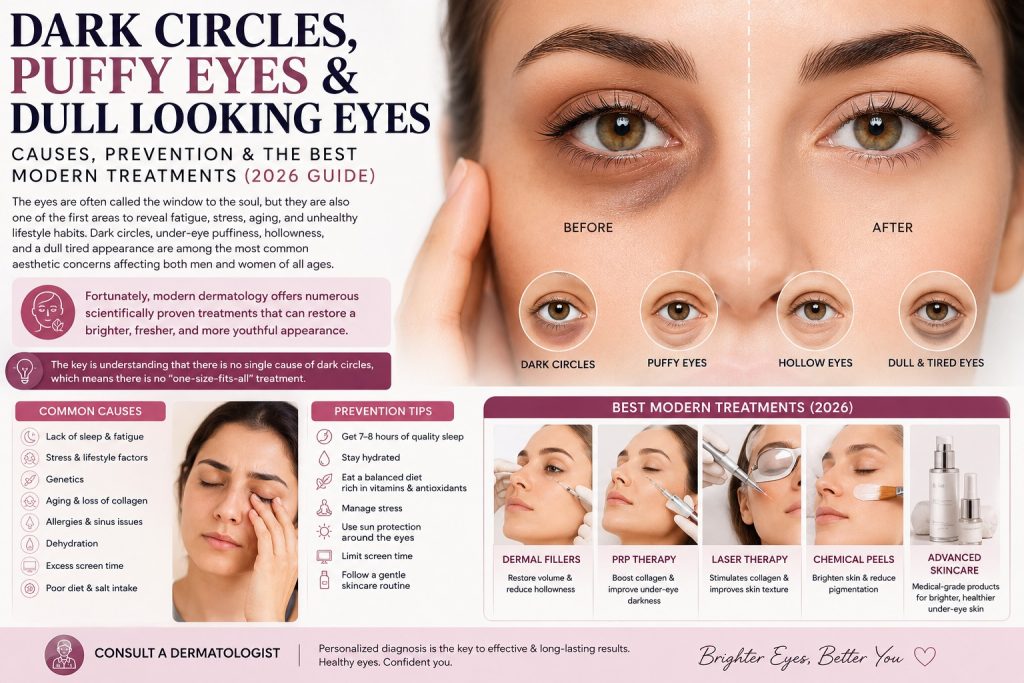
Dark Circles Treatment: Causes of Puffy Eyes,by dr somaiya

Dark Circles, Puffy Eyes & Dull Looking Eyes: Causes, Prevention & the Best Why Do Dark Circles and Puffy Eyes Develop? Dark circles, puffy eyes, and dull-looking under-eye skin are common concerns caused by factors like genetics, lack of sleep, aging, dehydration, and excess screen time, which lead to thinning skin, fluid retention, and pigmentation around the eyes. While home remedies offer temporary relief, modern treatments such as under-eye fillers, Pico Laser, mesotherapy, and chemical peels target the root causes for longer-lasting results. The right treatment depends on whether the concern is pigmentation, volume loss, or poor circulation — best determined through a professional consultation. With the right combination of skincare and clinical treatment, brighter, refreshed eyes are achievable for most patients. Dark circles are usually caused by a combination of lifestyle factors, genetics, and natural aging. Proper diagnosis helps determine the most effective treatment plan.  Lack of Proper Sleep Sleep deprivation remains one of the leading causes of tired-looking eyes. Poor sleep causes: Blood vessels beneath the thin eyelid skin to become more visible Fluid retention around the eyes Reduced skin repair Increased skin dullness Adults should aim for 7–9 hours of quality sleep every night.  Unbalanced Lifestyle Modern lifestyles contribute significantly to under-eye problems. Common factors include: Chronic stress Smoking Alcohol Dehydration Poor nutrition Excessive caffeine High salt intake These factors increase inflammation, worsen puffiness, and accelerate collagen breakdown. 3. Excessive Mobile Phone & Screen Usage One frequently overlooked contributor is prolonged reading on smartphones, especially when using small font sizes. Constant focusing on tiny text causes: Eye strain Reduced blinking Dry eyes Muscle fatigue around the eyes Over time, tired eyes appear darker, heavier, and less vibrant. Dermatologists recommend: Increasing font size Following the 20-20-20 rule Reducing screen time before bedtime 4. Genetics Some individuals naturally inherit: Thin under-eye skin Increased pigmentation Deep tear troughs Prominent blood vessels These patients often develop dark circles at a younger age.  Natural Aging Aging changes the anatomy around the eyes significantly. Important age-related changes include:Dark Circles Treatment | Causes & Best Eye Therapies Loss of Periorbital Fat With age, the protective fat around the eyes gradually shrinks. This causes: Hollow eyes Tear trough deformity Shadows Dark appearance Dark Circles Treatment | Causes & Best Eye Therapies Weakening of the Orbital Septum The orbital septum is a thin membrane that supports fat around the eyes. As it weakens:Dark Circles Treatment | Causes & Best Eye Therapies Fat bulges forward Eye bags develop Puffiness becomes more noticeableDark Circles Treatment | Causes & Best Eye TherapiesDark Circles Treatment Enlargement of the Orbital Rim As facial bones remodel with age, the orbital opening becomes relatively larger. This creates:Dark Circles Treatment | Causes & Best Eye Therapies Deeper shadows Sunken appearance Tired facial expression Loss of Skin Elasticity Reduced collagen and elastin make the skin thinner and more wrinkled, allowing blood vessels and pigmentation to become more visible.Dark Circles Treatment | Causes & Best Eye Therapies Other Causes of Dark Circles Additional contributing factors include: Allergies Chronic sinus problems Nasal congestion Iron deficiency Vitamin deficiencies Hormonal changes Hyperpigmentation Sun damage Frequent eye rubbing Dark Circles Treatment | Causes & Best Eye Therapies Best Treatments for Dark Circles & Puffy Eyes Treatment depends entirely on the underlying cause. Most patients benefit from combining several therapies.  Medical Grade Topicals Prescription-strength skincare can significantly improve mild dark circles. Common ingredients include: Vitamin C Retinol Peptides Niacinamide Caffeine Hyaluronic Acid Ceramides Growth Factor creams These ingredients improve collagen production, reduce pigmentation, and strengthen delicate under-eye skin.Dark Circles Treatment  Microneedling Microneedling creates controlled micro-injuries that stimulate natural collagen and elastin production. Benefits include: Firmer skin Reduced fine lines Improved texture Better absorption of active ingredients Brighter under-eye appearance Multiple sessions produce the best results.  Mesotherapy Mesotherapy delivers nourishing ingredients directly into the skin through tiny injections. These formulations often contain:Dark Circles Treatment Vitamins Amino acids Peptides Hyaluronic acid Antioxidants Benefits include: Hydration Improved circulation Skin brightening Enhanced collagen production  Nano Infusion Nano Infusion uses microscopic silicone tips to deliver active ingredients painlessly into the superficial skin layers. Benefits: No downtime Improved hydration Better product penetration Healthier skin glow Exosome Therapy Exosomes are one of the most exciting advances in regenerative dermatology. These tiny extracellular vesicles contain signaling molecules that stimulate skin repair. Benefits include: Increased collagen Reduced inflammation Better skin quality Improved elasticity Healthier skin regeneration Dark Circles Treatment P.D.R.N. Therapy Polydeoxyribonucleotide (P.D.R.N.) is a regenerative treatment derived from purified DNA fragments that supports tissue repair. Benefits include: Faster healing Improved skin elasticity Increased hydration Reduced fine lines Enhanced skin quality  Epidermal Growth Factors (EGF) EGFs stimulate skin cell renewal and collagen production. They are especially beneficial for: Thin skin Early aging Fine wrinkles Dull skin Delicate under-eye rejuvenation  Imported Repair Factors Advanced imported repair factor formulations contain combinations of: Growth factors Cytokines Peptides Biomimetic proteins These ingredients accelerate tissue regeneration and improve overall skin quality.  Jalupro Young Eye Jalupro Young Eye is specifically designed for delicate under-eye rejuvenation. It combines: Amino acids Hyaluronic acid Skin-repairing ingredients Benefits include: Brighter eyes Improved hydration Reduced fine wrinkles Better elasticity Fresher appearance . Soft Fillers When dark circles result from volume loss rather than pigmentation, soft hyaluronic acid fillers can restore youthful contours. Benefits include: Tear trough correction Reduced shadowing Immediate improvement Natural-looking rejuvenation Treatment should always be performed by an experienced dermatologist due to the delicate anatomy around the eyes.  Skin Boosters Skin boosters provide deep hydration without adding volume. They improve: Skin texture Elasticity Hydration Radiance Fine crepey skin  Skin Revitalizers Modern skin revitalizers combine regenerative ingredients to improve skin health at the cellular level. They promote: Better collagen production Improved skin tone Increased elasticity Long-lasting glow  Ligament Support & Mid-Face Rejuvenation Many patients develop dark circles because of weakening facial retaining ligaments and descent of the mid-face with age. Strategic support using appropriate injectable techniques can: Restore facial support Improve tear trough appearance Reduce shadows Create a refreshed, youthful look Treating the mid-face rather than only the under-eye area

Uncategorized

Pico Laser vs Chemical Peels: Which Treatment Gives Glass Skin Faster? Dermatologist’s Complete Guide (2026)

Pico Laser vs Chemical Peels for Pigmentation, Acne Marks & Skin Rejuvenation Pico Laser vs Chemical Peels: Which Skin Brightening Treatment Is Right for You? Pico Laser vs Chemical Peels Secondary Keywords Pico Laser for Skin Brightening Chemical Peel for Pigmentation Pico Laser Benefits Chemical Peel Treatment Skin Brightening Treatment Laser Skin Rejuvenation Pigmentation Treatment Melasma Treatment Acne Marks Treatment Uneven Skin Tone Treatment Emotional Hook Story “Every morning, Sara stood in front of the mirror hoping her dark spots would finally fade. She tried expensive creams, home remedies, and makeup to hide the pigmentation left behind by acne and sun exposure. When she finally visited a dermatologist, she discovered that the solution wasn’t choosing the ‘most popular’ treatment—it was choosing the right treatment for her skin. Whether it’s Pico Laser or a Chemical Peel, the best results come from a personalized treatment plan designed for your unique skin.” 1. Which is better, Pico Laser or Chemical Peel? It depends on your skin concern—Pico Laser is ideal for deeper pigmentation and collagen stimulation, while Chemical Peels are excellent for surface pigmentation, acne, and skin renewal.Pico Laser vs Chemical Peels 2. Is Pico Laser better for melasma? Pico Laser may help selected melasma patients, but treatment should always be planned by a dermatologist to reduce the risk of recurrence. 3. Can Chemical Peels remove acne marks? Yes, superficial and medium chemical peels can significantly improve acne marks, post-inflammatory pigmentation, and uneven skin tone. 4. Which treatment has less downtime? Pico Laser generally has less downtime than medium or deep chemical peels. 5. How many sessions are required? Most patients benefit from 3–6 sessions, depending on the condition being treated and the desired results. 6. Can Pico Laser and Chemical Peels be combined? Yes. In selected patients, combining both treatments can provide better improvement in pigmentation, texture, and overall skin rejuvenation. Conclusion Both Pico Laser and Chemical Peels are highly effective skin rejuvenation treatments, but neither is universally better. The right choice depends on your skin type, pigmentation depth, acne scars, lifestyle, and treatment goals. A dermatologist can evaluate your skin and recommend a customized plan that delivers safe, natural-looking, and long-lasting results. Choosing the appropriate treatment rather than following trends is the key to achieving healthier, brighter, and more even-toned skin. Pico Laser Chemical Peel Skin Brightening Pigmentation Melasma Post-Inflammatory Hyperpigmentation (PIH) Acne Marks Laser Skin Rejuvenation Collagen Remodeling Dermatologist Skin Perfection Centre Dr. Sommiya Anum Suggested Internal Links CO₂ Fractional Laser: Acne Scar Treatment & Skin Rejuvenation Carbon Laser Facial Guide Melasma & Pigmentation Treatment Chemical Peel Treatment Guide Acne: Causes, Prevention & Treatment Scar Treatment: PRP, PRF, PGRF, Exosomes & Subcision Daily Skincare Routine for Healthy Skin Sunscreen Guide: Protect Your Skin Every Day Authoritative ReferencesPico Laser vs Chemical Peels American Academy of Dermatology (AAD) American Society for Dermatologic Surgery (ASDS) DermNet NZ – Chemical Peels Mayo Clinic – Chemical Peel Overview National Center for Biotechnology Information (NCBI) Best for pigmentation Best for acne scars Best for skin glow Best for sensitive skin Best overall choice Free consultation ke liye abhi book karein 👇 📍 Skin Perfection & Laser Center #SkinCare #PicoLaser #ChemicalPeel #Pigmentation #AcneScars #GlowingSkin #SkinPerfectionCenter #DermatologyPakistan #SkinTreatment #KarachiSkinClinic 4. Before/After CTA Section (closing paragraph): Choosing between Pico Laser and Chemical Peels doesn’t have to be overwhelming. At Skin Perfection & Laser Center, our experts assess your skin type, concern severity, and goals to recommend the most effective treatment — or a combination of both for maximum results. Ready to see real change? Book your free consultation today and take the first step toward clearer, healthier skin.Korean Glass Skin Facial: The Secret to Smooth, Radiant, Poreless Skin

Uncategorized

:European Certified Dr. Sommiya AnumTirzepatide vs Ozempic

Tirzepatide vs Ozempic: Which Is Better? A Comparison by Dr. Sommiya Anum Tirzepatide and Ozempic are both injectable medications used for weight management and blood sugar control, but they work differently — Tirzepatide targets two hormone receptors (GIP and GLP-1), while Ozempic targets only one (GLP-1), which often makes Tirzepatide more effective for weight loss in clinical studies. According to Dr. Sommiya Anum, the right choice depends on individual health goals, medical history, and how the body responds to each medication. Both come with potential side effects like nausea and digestive discomfort, especially during the initial dosing phase. With proper medical supervision and a personalized treatment plan, either option can deliver safe, sustainable results.Skin-Perfection-Centre-Ad-Script “Sara had tried everything—strict dieting, hours at the gym, detox teas, and countless supplements. She would lose a few kilograms only to gain them back. At her medical consultation, she learned something surprising: obesity isn’t simply about willpower. It’s a chronic metabolic disease. That single realization changed her journey forever.”Tirzepatide vs Ozempic Today, medical science offers powerful treatments that help patients lose weight by addressing the biological causes of obesity rather than simply asking people to “eat less.”Tirzepatide vs Ozempic: Two of the most talked-about medications are Tirzepatide and Ozempic (Semaglutide). Both are once-weekly injectable medications that reduce appetite, improve blood sugar control, and support sustainable weight loss—but they are not identical. Understanding the differences can help patients and healthcare providers choose the most appropriate treatment based on medical history, weight-loss goals, diabetes status, and overall health. Why Obesity Is More Than Just Weight Modern medicine now recognizes obesity as a chronic disease involving hormones, metabolism, genetics, the brain, and the digestive system. Carrying excess body fat increases the risk of: Type 2 Diabetes High Blood Pressure Heart Disease Stroke Fatty Liver Disease Sleep Apnea Osteoarthritis PCOS Infertility Certain Cancers This is why international obesity guidelines now recommend medical treatment for many patients rather than relying solely on diet and exercise. Which Weight Loss Injection Is Better? What Is Tirzepatide? Tirzepatide is a newer injectable medication that activates two natural gut hormones simultaneously. These include: GLP-1 (Glucagon-Like Peptide-1) GIP (Glucose-Dependent Insulinotropic Polypeptide) This dual mechanism helps regulate appetite, insulin production, metabolism, and fat storage more effectively than GLP-1 therapy alone in many patients. It is administered once weekly under medical supervision. What Is Ozempic? Ozempic contains Semaglutide, a medication that stimulates only the GLP-1 receptor. Initially approved for Type 2 Diabetes, it became widely recognized because many patients experienced significant weight loss during treatment. Like Tirzepatide, Ozempic is also injected once weekly. Weight Loss How Do These Injections Help You Lose Weight? Both medications work with your body’s natural hormones instead of acting as stimulant “fat burners.” Tirzepatide Which Weight Loss Injection Is Better? It helps by: Significantly reducing appetite Decreasing food cravings Slowing stomach emptying Improving insulin sensitivity Increasing feelings of fullness Encouraging greater loss of visceral (belly) fat Ozempic It works by: Which Weight Loss Injection Is Better? Reducing hunger signals Helping patients feel full sooner Slowing gastric emptying Lowering calorie intake Improving blood sugar control Tirzepatide vs Ozempic: Side-by Side Comparison Feature Tirzepatide Ozempic Active Ingredient Tirzepatide Semaglutide Hormones Targeted GLP-1 + GIP GLP-1 Only Weekly Injection ✅ ✅ Appetite Reduction Excellent Very Good Average Weight Loss 15–22% 8–15% Blood Sugar Control Excellent Excellent Belly Fat Reduction Greater Good Diabetes Treatment Yes Yes Suitable for Obesity Yes (where approved) Used for diabetes; semaglutide weight-loss formulations are approved separately in many regions Which Medication Produces More Weight Loss? Clinical studies consistently show Tirzepatide generally produces greater average weight loss than Semaglutide when compared in similar patient populations. Average study outcomes: Tirzepatide 15–22% body weight reduction Greater reduction in waist circumference Better improvement in insulin resistance Ozempic (Semaglutide) 8–15% body weight reduction Significant improvement in blood sugar Excellent long-term metabolic benefits Individual results depend on: Which Weight Loss Injection Is Better? Starting BMI Diet quality Exercise Sleep Stress Hormonal conditions Medication adherence How These Medications Affect Different Organs Brain Both medications act on appetite-regulating centers in the brain. Benefits include: Reduced hunger Less emotional eating Smaller meal portions Fewer sugar cravings Improved satiety Many patients report they stop constantly thinking about food. Digestive System Which Weight Loss Injection Is Better? Both medications slow stomach emptying. Benefits: Longer-lasting fullness Better blood sugar control Reduced calorie intake Temporary side effects may include: Nausea Vomiting Constipation Diarrhea Bloating Acid reflux These symptoms often lessen after dose adjustments and time. Pancreas Both medications stimulate insulin release only when blood sugar levels are elevated, lowering the risk of hypoglycemia when used alone. Benefits include: Which Weight Loss Injection Is Better? | Better HbA1c control Improved insulin sensitivity Reduced insulin resistance Liver Weight loss can improve liver health by: Reducing fatty liver Lowering liver inflammation Improving liver enzymes Supporting healthier metabolism Heart and Blood Vessels Substantial weight loss benefits cardiovascular health. Potential improvements include: Lower blood pressure Improved cholesterol Reduced inflammation Lower cardiovascular risk in appropriate patients Muscles: Protecting Lean Muscle During Weight Loss Rapid weight loss may lead to loss of both fat and lean muscle mass if protein intake and resistance exercise are inadequate. To help preserve muscle: Eat enough protein Perform strength training 2–3 times weekly Stay hydrated Follow your clinician’s nutrition plan Common Side Effects Most side effects are mild and improve over time. They include: Nausea Constipation Diarrhea Vomiting Fatigue Burping Indigestion Reduced appetite Seek immediate medical attention if you develop severe abdominal pain, persistent vomiting, or symptoms suggesting an allergic reaction. Which Weight Loss Injection Is Better? Who Should Not Use These Medications? These injections are not suitable for everyone. They are generally avoided or require specialist evaluation in people with: Pregnancy or breastfeeding History of medullary thyroid carcinoma or MEN2 syndrome Previous serious allergic reaction to the medication Certain pancreatic disorders Severe gastrointestinal disease Always discuss your complete medical history with your healthcare provider before starting treatment. Lifestyle Still Matters Weight-loss injections work best when combined with healthy habits. For the best results:

Uncategorized

Psoriasis: Causes, Symptoms, Diagnosis & Advanced Treatment | Dr. Sommiya Anum Guide

Psoriasis Causes and Treatment by Dr. Sommiya Anum: Symptoms, Triggers & Modern Therapies Psoriasis is a chronic autoimmune skin condition that causes the immune system to speed up skin cell production, resulting in thick, red, scaly patches often found on the scalp, elbows, knees, and lower back. According to Dr. Sommiya Anum, common triggers include stress, infections, cold weather, skin injury, and certain medications, while genetics also plays a significant role in who develops the condition. Though psoriasis has no permanent cure, modern therapies — including topical treatments, phototherapy, and advanced biologic medications — can effectively control flare-ups and keep the skin calm for extended periods. With the right diagnosis and personalized treatment plan, most patients achieve significant, long-term symptom relief. What causes psoriasis? How is psoriasis treated? Is psoriasis an autoimmune disease? What triggers psoriasis flare-ups? Are topical steroids safe for psoriasis? Why are oral steroids contraindicated in psoriasis? What are biologics for psoriasis? What are biosimilars in psoriasis treatment? Are JAK inhibitors effective for psoriasis? Who is the best dermatologist for psoriasis treatment? Where can I get psoriasis treatment by Dr. Sommiya Anum What Is Psoriasis?   Is Psoriasis an Autoimmune Disease? Psoriasis is a chronic immune-mediated inflammatory skin disease that accelerates the growth cycle of skin cells, causing thick, red, scaly patches that may itch, crack, or bleed. Although psoriasis is not contagious, it is a lifelong condition that can significantly affect physical health, emotional well-being, and quality of life. Healthy skin cells normally renew every 28–30 days, but in people with psoriasis, this process occurs within 3–7 days. The rapid buildup of skin cells results in raised plaques covered with silvery-white scales, commonly affecting the scalp, elbows, knees, lower back, hands, and feet Psoriasis affects millions of people worldwide and may occur at any age. While there is currently no permanent cure, modern dermatology offers highly effective treatments that help control symptoms, reduce flare-ups, and improve long-term skin health. What Causes Psoriasis? Psoriasis develops due to a combination of genetic predisposition, immune system dysfunction, and environmental triggers. In susceptible individuals, immune cells become overactive and release inflammatory proteins such as TNF-α, IL-17, and IL-23, which speed up skin cell production and lead to chronic inflammation. Common contributing factors include:   Family history of psoriasis Psoriasis Causes Autoimmune immune response Emotional stress Hormonal changes Certain medications Obesity Smoking Excessive alcohol consumption Skin injuries and infections Common Psoriasis Triggers Understanding personal triggers is essential for preventing flare-ups. Psoriasis Causes and Treatment   The most common psoriasis triggers include: Emotional stress and anxiety Cold and dry weather Skin injury (Koebner phenomenon) Streptococcal throat infections Viral illnesses Smoking Alcohol intake Obesity Lack of sleep Certain medications such as lithium, beta-blockers, and antimalarials Sudden withdrawal of corticosteroids Psoriasis Causes   Avoiding known triggers can reduce the frequency and severity of psoriasis outbreaks. Signs and Symptoms of Psoriasis When Should You Visit a Dermatologist? Psoriasis symptoms vary from person to person depending on disease severity and type. Common symptoms include: Thick red plaques Silvery-white scales Dry, cracked skin Persistent itching Burning sensation Painful fissures Bleeding after scratching Nail pitting and thickening Scalp scaling Temporary hair shedding due to scalp inflammation   Some patients also develop psoriatic arthritis, which causes joint pain, swelling, and stiffness Psoriasis Causes and Treatment   Daily Precautions for Patients with Psoriasis Daily skin care and healthy lifestyle habits play an important role in controlling psoriasis. Dermatologists recommend: Moisturize your skin at least twice daily. Use fragrance-free moisturizers. Avoid harsh soaps and detergents. Take short lukewarm showers instead of hot baths. Wear soft cotton clothing. Avoid scratching affected skin. Protect your skin from injuries and sunburn. Maintain a healthy weight. Psoriasis Causes Exercise regularly. Manage stress through meditation or relaxation techniques. Stop smoking. Limit alcohol consumption. Follow your dermatologist’s treatment plan consistently. Recommended Skincare Routine for Psoriasis A dermatologist-approved skincare routine helps maintain the skin barrier and reduces flare-ups. Morning Routine Gentle cleanser Ceramide-rich moisturizer Sunscreen SPF 30–50 Night Routine Gentle cleansing Prescription topical medication Thick moisturizer Psoriasis Causes Scalp Care Patients with scalp psoriasis should use:   Medicated shampoo Psoriasis Causes Prescription scalp lotion or solution Gentle massage without scratching Are Topical Steroids Safe? Yes. Topical corticosteroids remain one of the most effective first-line treatments for psoriasis when prescribed appropriately by a dermatologist. Benefits include: Reduced redness Relief from itching Decreased inflammation Reduced scaling Long-term misuse may lead to skin thinning, stretch marks, and visible blood vessels. Therefore, treatment should always be supervised by a qualified dermatologist. Why Are Oral Steroids Contraindicated? Unlike topical steroids, oral corticosteroids are generally avoided in psoriasis because discontinuing them may trigger severe rebound flare-ups, including generalized pustular psoriasis and erythrodermic psoriasis. Safer long-term treatment options are preferred for disease control. Affordable Treatment Options Many patients achieve excellent disease control without expensive medications. Common treatment options include: Topical corticosteroids Vitamin D analogues (Calcipotriol) Salicylic acid preparations Coal tar therapy Calcineurin inhibitors Narrowband UVB phototherapy Methotrexate Cyclosporine Acitretin Treatment depends on disease severity, affected body surface area, and overall health. Latest Immunomodulators and Advanced Therapies Modern psoriasis treatment targets the immune pathways responsible for inflammation.   Biologics target inflammatory proteins such as:   TNF-α IL-17 IL-23 IL-12/23   These medicines provide excellent skin clearance in patients with moderate-to-severe psoriasis.   Biosimilars Biosimilars offer effectiveness and safety comparable to biologic medicines while improving affordability.   JAK Kinase Inhibitors   Janus Kinase (JAK) inhibitors are newer targeted oral therapies that block inflammatory signaling inside immune cells. They may be appropriate for selected patients after careful evaluation and monitoring by a dermatologist. Psoriasis Causes   When Should You See a Dermatologist? Consult a dermatologist if: Your psoriasis continues to spread. Home treatments are ineffective. You develop severe itching or pain. Your nails become affected. You experience joint pain or swelling. Psoriasis impacts your confidence or daily activities. Psoriasis Causes Early diagnosis and personalized treatment can help prevent complications and improve long-term outcomes. Why Choose Skin Perfection & Laser Center? At Skin Perfection & Laser Center, Dr.

Uncategorized

CO2 Fractional Laser: The Gold Standard for Acne Scar Treatment & Skin Rejuvenation

How CO2 Fractional Laser Works for Acne Scar Treatment This guide breaks down exactly how this powerful acne scar treatment works, what results to realistically expect, and how to care for your skin afterward for the safest, most effective outcome. Acne scars Treatment and aging skin share a common root cause  damaged or depleted collagen. While countless creams and serums promise to “fix” texture and tone, few treatments can actually rebuild the skin’s structural foundation. CO2 fractional laser is one of the few that can — and it’s why dermatologists around the world consider it the gold standard for both acne scar revision and long-term skin rejuvenation. If you’ve researched laser resurfacing before, you’ve likely come across conflicting information about downtime, results, and safety — especially for deeper skin tones. This guide breaks down exactly how CO2 fractional laser works, what results to realistically expect, and how to care for your skin afterward for the safest, most effective outcome.  What Is CO2 Fractional Laser? CO2 fractional laser is a resurfacing treatment that uses focused laser energy to create thousands of microscopic columns in the skin, known as Micro Thermal Treatment Zones (MTZs). Unlike older, fully ablative CO2 lasers that resurfaced the entire skin surface at once, the fractional version treats only a fraction of the skin in a precise grid pattern, leaving the surrounding tissue untouched. This “fractional” approach is what makes modern CO2 laser both powerful and safer. The untreated tissue between each micro-column acts as a reservoir of healthy cells, dramatically speeding up healing compared to traditional full-field resurfacing. How CO2 Fractional Laser Works on the skin As one of the most trusted forms of acne scar treatment available today, the process works in four connected stages. The treatment works in four connected stages: 1. *Removal of damaged skin cells* – The laser vaporizes the outermost damaged layer of skin in a controlled, fractional pattern. 2. *Activation of the healing response* – The micro-injuries signal the body to begin a natural wound-healing cascade. 3. *Stimulation of collagen and elastin* – Fibroblasts, the cells responsible for producing collagen and elastin, are activated and multiply. 4. *Tissue remodeling* – Old, damaged tissue is gradually replaced with new, organized collagen, resulting in smoother, firmer, more even-toned skin. This is why CO2 fractional laser is considered a regenerative treatment rather than a surface-level fix. It doesn’t just remove damaged skin — it rebuilds what’s underneath. ## The Collagen Remodeling Timeline: What Happens Week by Week One of the most important things to understand about CO2 fractional laser is that results are not immediate. Collagen remodeling is a biological process that unfolds over months, not days. – *Immediately after treatment:* Controlled micro-injuries activate growth factors and fibroblasts, kickstarting the repair process beneath the skin’s surface. – *Weeks 1–6:* New collagen and elastin fibers begin forming. Skin may still look and feel like it’s in an active healing phase. – *Weeks 6–12:* Collagen fibers thicken and organize, and overall skin structure visibly improves — texture looks smoother and scars appear shallower. – *Months 3 and beyond:* Collagen remodeling matures fully, producing stronger, healthier, firmer, and more youthful-looking skin. In short: results continue to improve for up to six months after a single session, which is why patience and consistent aftercare matter just as much as the procedure itself.  How CO2 Fractional Laser Treats Acne Scar Treatment Acne scarring occurs when the skin’s healing process is disrupted during a breakout, often leading to depressed, pitted, or textured scar tissue. CO2 fractional laser addresses this at a structural level by breaking down abnormal, fibrous scar tissue and stimulating fresh collagen to fill in and lift depressed areas. As an acne scar treatment, CO2 fractional laser addresses scarring at a structural level by breaking down abnormal, fibrous scar tissue. Because the laser reaches into the dermis — the deeper layer where scar tissue actually forms — it can improve texture in ways that topical treatments simply cannot.    Which Acne Scars Respond Best? Not all acne scars respond equally to CO2 fractional laser, which is why an accurate diagnosis by an experienced dermatologist is essential before treatment. | Scar Type | Response to CO2 Fractional Laser | Notes | | *Boxcar scars* | Excellent | Broad, well-defined scars typically show significant improvement | | *Rolling scars* | Excellent | Tethered scars respond very well, especially when combined with subcision | | *Ice-pick scars* | Moderate | Narrow, deep scars are more challenging; best results often come from combining laser with TCA CROSS or punch techniques first | | *Hypertrophic (raised) scars* | Less effective | Alternative treatments are usually recommended | | *Keloid scars* | Less effective | Requires a different treatment approach entirely | This is why an individualized treatment plan matters more than a one-size-fits-all approach. A dermatologist who properly assesses your scar type — and combines techniques where needed — will always deliver better outcomes than laser alone. ## What to Expect: Recovery Timeline After CO2 Fractional Laser Understanding the recovery process helps set realistic expectations and reduces anxiety during the healing phase. ### Immediately After Treatment (1–72 Hours) It’s completely normal to experience: – Redness – Warmth – Mild swelling – Tightness – Tiny crusts or a light bronzing effect – A sensation similar to a mild sunburn This is your skin actively beginning its healing journey, and it typically settles within a few days. ### Around 3 Weeks By this stage, most patients notice: – Smoother skin texture – Softer-looking acne scars – Reduced pore size – A brighter overall complexion – More even skin tone – A healthier, natural glow This is a strong sign that collagen production is actively increasing beneath the surface, even though visible healing may look complete. ### Around 3 Months This is typically when the most dramatic transformation becomes visible: – Significant scar reduction – Firmer, tighter skin – Noticeably smaller pores – Improved skin elasticity – Reduction in fine lines – Overall skin rejuvenation

Scroll to Top