skinperfectioncenter

Uncategorized

seborrheic-dermatitis-causes-genetics-hair-loss-treatment
Uncategorized

What causes seborrheic dermatitis and can it lead to hair loss? Explore genetics, triggers & proven treatments from Skin Perfection & Laser Center.

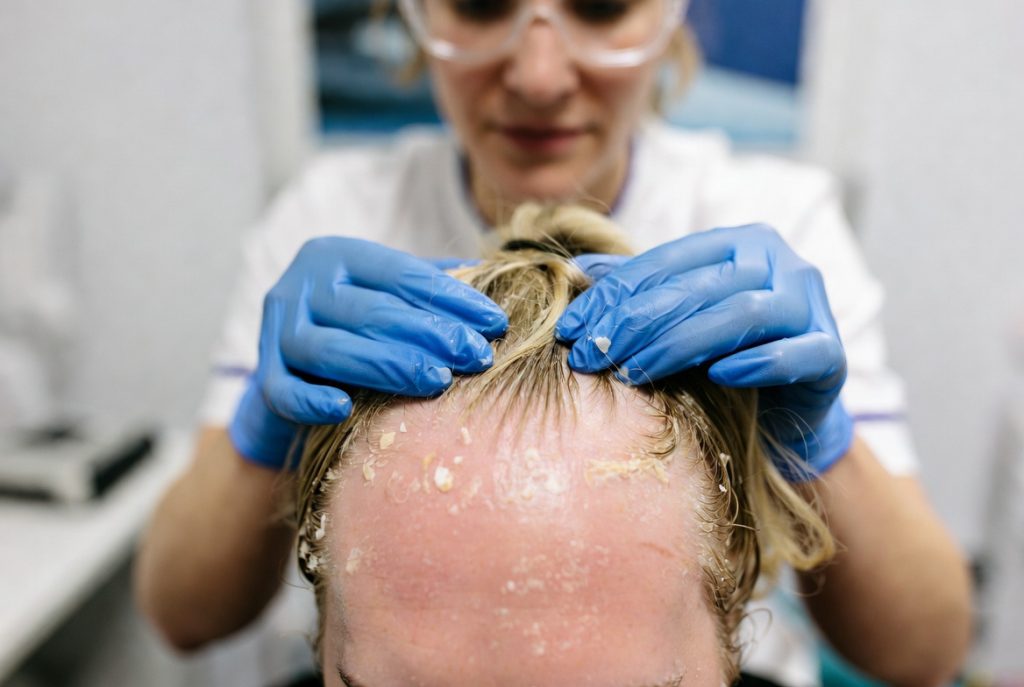
Seborrheic Dermatitis (Dandruff): Causes, Genetics, Hair Loss & Treatment Seborrheic dermatitis is one of the most common scalp conditions worldwide. Often referred to as dandruff when it affects the scalp in a milder form, this chronic inflammatory skin disorder can cause persistent flaking, itching, redness, irritation, and discomfort. While many people assume dandruff is simply a result of poor hygiene, scientific research shows that the condition is far more complex.Seborrheic Dermatitis (Dandruff): Causes & Treatment Seborrheic dermatitis involves an interaction between the skin’s immune system, oil production, genetics, and a naturally occurring yeast known as Malassezia. Although the condition is not dangerous, it can significantly affect quality of life, self-confidence, and even hair health when left untreated.Seborrheic Dermatitis: Causes, Hair Loss & Treatment Understanding the causes, risk factors, symptoms, and treatment options can help individuals effectively manage flare-ups and maintain a healthy scalp What Is Seborrheic Dermatitis?Seborrheic Dermatitis (Dandruff): Causes & Treatment Seborrheic dermatitis is a chronic inflammatory skin condition that primarily affects areas rich in sebaceous (oil-producing) glands. These areas include: The scalp Eyebrows Sides of the nose Behind the ears Beard area Chest Upper back Seborrheic Dermatitis On the scalp, seborrheic dermatitis often appears as dandruff, characterized by white or yellow flakes. More severe cases may involve redness, greasy scales, burning sensations, and persistent itching.Seborrheic Dermatitis (Dandruff): Causes & Treatment Unlike temporary scalp dryness, seborrheic dermatitis tends to recur over time. Many individuals experience periods of improvement followed by flare-ups triggered by various environmental or biological factors. Understanding the Difference Between Dandruff and Seborrheic Dermatitis Many people use the terms dandruff and seborrheic dermatitis interchangeably. While they are closely related, they are not exactly the same. Dandruff is generally considered a mild form of seborrheic dermatitis that affects only the scalp without significant inflammation. Seborrheic dermatitis is a broader medical condition that can involve: Significant inflammationSeborrheic Dermatitis (Dandruff): Causes & Treatment Redness Greasy scales Skin irritation Involvement of multiple body areas Both conditions share similar underlying mechanisms, including the presence of Malassezia yeast and abnormal inflammatory responses. Symptoms of Seborrheic Dermatitis Symptoms can vary from mild to severe depending on the individual. Common symptoms include: Scalp Flaking The most recognizable symptom is the presence of white, yellow, or oily flakes on the scalp. Itching Persistent itching often accompanies dandruff and can become severe during flare-ups. Redness Inflamed skin beneath the flakes may appear red and irritated. Greasy Scales Some individuals develop thick, greasy scales that adhere to the scalp. Burning or Tenderness In severe cases, inflammation can cause discomfort, burning, or scalp sensitivity. Hair Shedding Excessive scratching and inflammation may contribute to temporary hair shedding. What Causes Seborrheic Dermatitis? The exact cause remains incompletely understood. However, researchers agree that several factors work together to trigger the condition.     One of the most important factors is the overgrowth of Malassezia, a naturally occurring yeast that lives on human skin. Under normal circumstances, Malassezia exists harmlessly on the scalp. However, in susceptible individuals, the yeast can trigger an inflammatory reaction. The yeast feeds on scalp oils and produces byproducts that may irritate the skin barrier and stimulate inflammation. 2. Excess Sebum Production Sebaceous glands produce sebum, an oily substance that helps protect the skin. Individuals with oily skin often experience more severe seborrheic dermatitis because: Excess oil provides nourishment for Malassezia Oil accumulation can trap dead skin cells Increased oil production may worsen inflammation 3. Abnormal Immune Response Not everyone with Malassezia develops dandruff. Research suggests that affected individuals may have an exaggerated immune response to the yeast, leading to: Chronic inflammation Increased skin turnover Flaking Itching 4. Skin Barrier Dysfunction The skin barrier serves as protection against irritants and microorganisms. When the barrier becomes compromised: Moisture escapes more easily Irritants penetrate the skin Inflammation increases This dysfunction may contribute to chronic symptoms. 5. Hormonal Influences Hormones influence oil production throughout life. Seborrheic dermatitis is more common during: Infancy Adolescence Early adulthood These life stages involve significant hormonal changes that can increase sebum production. Is Seborrheic Dermatitis Genetic? Research indicates that genetics play an important role in determining susceptibility. Individuals with a family history of: Seborrheic dermatitis Eczema Psoriasis Other inflammatory skin conditions may have a higher likelihood of developing dandruff and chronic scalp inflammation. Genetic influences may affect: Skin Barrier Function Some individuals inherit weaker skin barrier characteristics that make the scalp more vulnerable to irritation. Immune Regulation Genes influence how the immune system responds to microorganisms such as Malassezia. Oil Production Inherited differences in sebaceous gland activity can affect the amount of scalp oil produced. Inflammatory Responses Certain genetic variations may make the skin more prone to inflammation. While genetics increase risk, environmental triggers often determine when symptoms appear. Who Is Most at Risk? Several factors increase susceptibility. Oily Skin People with naturally oily skin are more likely to develop seborrheic dermatitis. Age The condition commonly affects: Infants Teenagers Young adults Middle-aged adults Male Gender Men often experience higher rates due to androgen-related oil production. Stress Psychological stress is a well-known trigger for flare-ups. Cold Weather Winter conditions frequently worsen symptoms. Fatigue and Sleep Deprivation Poor sleep may negatively affect immune regulation and inflammation. Neurological Conditions Individuals with Parkinson’s disease have an increased risk of seborrheic dermatitis. Weakened Immunity People with HIV infection or other immune disorders may experience more severe symptoms. Did you like this feature? Anchor Text (in blog) Links To Placement “scalp & hair health analysis” / “trichoscopy” Scalp & Hair Health Analysis (Trichoscopy) service page In diagnosis/causes section — natural fit since trichoscopy is used to diagnose scalp conditions “professional scalp treatment” Scalp treatment / hair treatment service page In treatment section “hair thinning” / “hair loss concerns” Hair loss / hair regrowth service page (if separate from trichoscopy) In the hair loss section “book a consultation” / “free skin consultation” Contact / Book Appointment page Near end of article (CTA) “our dermatology services” Main Services page In intro or conclusion “skin conditions we treat” Related blog (e.g., psoriasis, eczema, acne if
best sleep
Uncategorized

How Stress Damages Your Skin, Hair, and Nails

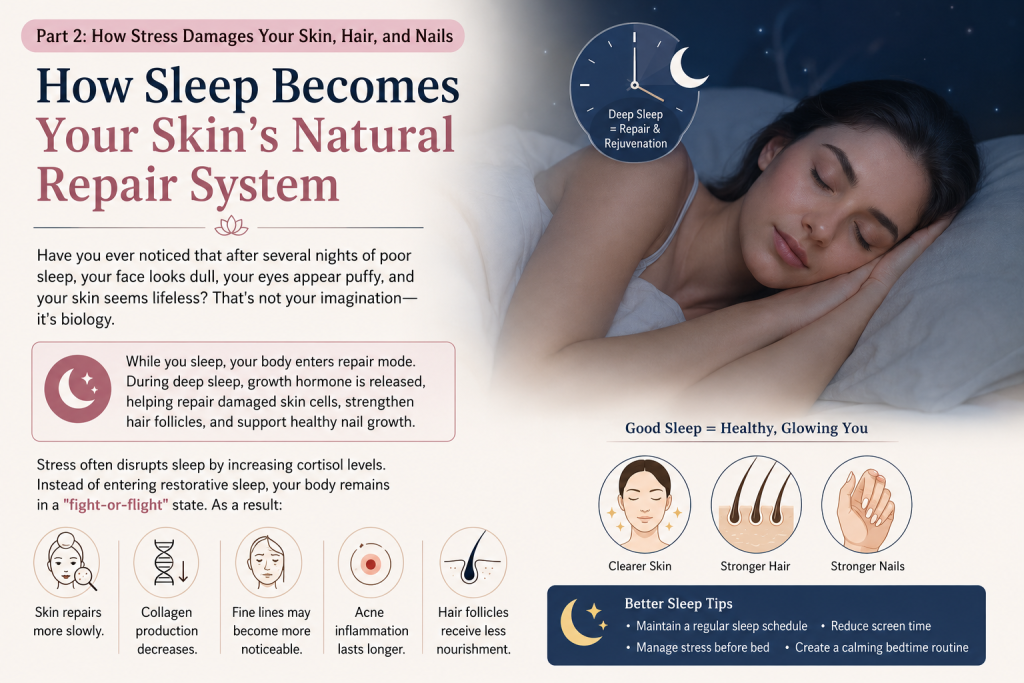
Part 2: How Stress Damages Your Skin, Hair, and Nails—and What You Can Do About It: This is Part 2 of your long-form SEO article. It continues naturally from Part 1. How Sleep Becomes Your Skin’s Natural Repair System Have you ever noticed that after several nights of poor sleep, your face looks dull, your eyes appear puffy, and your skin seems lifeless? That’s not your imagination—it’s biology. While you sleep, your body enters repair mode. During deep sleep, growth hormone is released, helping repair damaged skin cells, strengthen hair follicles, and support healthy nail growth. Stress often disrupts sleep by increasing cortisol levels. Instead of entering restorative sleep, your body remains in a “fight-or-flight” state. As a result: Skin repairs more slowly. Collagen production decreases. Fine lines may become more noticeable. Acne inflammation lasts longer. Hair follicles receive less nourishment. Tips for Better Sleep Aim for 7–9 hours of quality sleep every night. Avoid screens at least one hour before bedtime. Keep your bedroom cool and dark. Limit caffeine after midday. Practice deep breathing or meditation before sleeping. Good sleep is one of the most affordable beauty treatments available. Nutrition: Feeding Healthy Skin, Hair, and Nails from Within No skincare routine can fully compensate for poor nutrition. Your skin, hair, and nails rely on vitamins, minerals, proteins, and healthy fats to remain strong. Protein Hair and nails are primarily made of keratin, a protein. Good sources include: Eggs Fish Chicken Lentils Greek yogurt Beans Protein deficiency may contribute to weak nails and increased hair shedding. Vitamin C Vitamin C supports collagen production, helping maintain firm and healthy skin. Sources include: Oranges Kiwi Strawberries Bell peppers Broccoli Omega-3 Fatty Acids Healthy fats reduce inflammation and support the skin barrier. Sources: Salmon Sardines Walnuts Chia seeds Flaxseeds Zinc Zinc plays a crucial role in wound healing and acne management. Foods rich in zinc include: Pumpkin seeds Beef Chickpeas Cashews Biotin Although biotin deficiency is uncommon, adequate intake supports healthy nails and hair. Natural sources include: Eggs Almonds Sweet potatoes Spinach Hydration: The Hidden Secret Behind Healthy Skin Your skin contains approximately 64% water. Even mild dehydration can make skin appear: Dry Tight Dull Less elastic Water also supports: Nutrient delivery Waste removal Skin barrier function Temperature regulation Aim to drink enough fluids throughout the day, adjusting for your activity level and climate. Exercise Helps Your Skin Too Exercise isn’t just for your heart. Regular physical activity: Lowers cortisol Improves circulation Delivers oxygen to skin cells Enhances collagen production Improves mood Activities such as walking, swimming, cycling, or yoga can all help reduce stress while supporting healthier skin. CBT Techniques That Reduce Stress Naturally Stress often begins with our thoughts. Cognitive Behavioral Therapy (CBT) helps identify unhelpful thinking patterns and replace them with healthier responses. For example: Automatic Thought “My skin looks terrible. Everyone is judging me.” Balanced Thought “My skin is healing. Most people are focused on themselves, not my appearance.” This simple shift reduces emotional distress and may help lower stress-related physical symptoms over time. You can explore additional CBT exercises and emotional wellness resources on your own website, HealoraCBT, by internally linking to articles on stress management, anxiety relief, mindfulness, and emotional resilience. Mindfulness Lowers Cortisol Mindfulness encourages you to focus on the present moment rather than worrying about the future. Research has shown that regular mindfulness practice can reduce stress and improve emotional well-being. Simple techniques include: Five-minute breathing exercises Guided meditation Gratitude journaling Progressive muscle relaxation Mindful walking Even ten minutes a day can make a noticeable difference. A Daily Stress-Relief Routine for Healthier Skin Here’s a simple daily routine: Morning Drink a glass of water. Eat a protein-rich breakfast. Apply sunscreen. Practice five minutes of deep breathing. Afternoon Eat balanced meals. Stay hydrated. Take a short walk if possible. Evening Cleanse your skin gently. Limit screen time before bed. Stretch or meditate. Sleep for 7–9 hours. Consistency matters more than perfection. When Should You See a Dermatologist? While stress management can improve many symptoms, professional evaluation is important if you experience: Severe or painful acne Rapid hair loss Bald patches Persistent eczema flare-ups Bleeding or infected skin Nail discoloration or separation Symptoms lasting several months Early diagnosis often leads to better treatment outcomes. Suggested Internal Links for HealoraCBT To strengthen your site’s SEO and improve user engagement, naturally link this article to related HealoraCBT content, such as: CBT techniques for managing daily stress Emotional burnout recovery Mindfulness for anxiety relief The connection between trauma and physical health Building emotional resilience through CBT These contextual links help readers explore related topics while supporting your website’s internal linking strategy. The next section (Part 3) will include: 12–15 SEO-friendly FAQs Key takeaways A comprehensive conclusion Authoritative references (WHO, Harvard Health, American Academy of Dermatology, NIH, APA, Mayo Clinic) Schema-ready FAQ content for Rank Math SEO. Part 3: FAQs, Key Takeaways, Conclusion & References Frequently Asked Questions (FAQs) 1. Can stress really cause acne? Yes. Chronic stress increases the production of cortisol, which stimulates the sebaceous (oil) glands. Excess oil combines with dead skin cells and bacteria, increasing the likelihood of acne breakouts. Stress also slows wound healing, making pimples last longer. 2. How does cortisol affect the skin? Cortisol is the body’s primary stress hormone. Elevated cortisol levels can: Increase oil production Break down collagen Slow skin repair Increase inflammation Weaken the skin barrier Over time, this may contribute to acne, premature aging, dullness, and increased skin sensitivity. 3. Can emotional stress cause hair loss? Yes. One of the most common forms of stress-related hair loss is telogen effluvium, a condition in which emotional or physical stress pushes more hair follicles into the resting phase. Hair shedding typically begins 2–3 months after the stressful event and often improves once the underlying stress is managed. 4. Is stress-related hair loss permanent? In most cases, no. Hair usually begins to regrow within 3–6 months after the stressor is resolved. However, persistent or severe hair loss should always be evaluated by

Uncategorized

1. TheThe Psychology of Acne Mirror’s Reflection: A Story of Resilience ]

1. The Mirror’s Reflection: The alarm clock buzzed at 6:30 AM, slicing through the quiet morning. Sarah, a 28-year-old marketing manager, rolled over and instinctively reached for her phone to check her emails. But before she even unlocked the screen, she felt ita deep, throbbing soreness along her jawline. She didn’t need to look in the mirror to know what was waiting for her. Another breakout. Walking into the bathroom, she clicked on the bright vanity lights. There it was: a cluster of angry, red papules blooming right across her chin and cheeks. It felt like a cruel joke. She had survived her teenage years with relatively clear skin, only to be blindsided by severe, persistent acne in her late twenties. Sarah spent the next twenty minutes meticulously applying concealer, trying to mask the inflammation. Her hands trembled slightly as she blended the edges. It wasn’t just about the bumps; it was the psychological weight of it all. Tonight was a major client dinner, and instead of focusing on her presentation, she was mentally calculating how many times she would need to excuse herself to the restroom to check if her makeup had caked or faded. She thought back to the countless products lining her bathroom shelf—the harsh salicylic acid washes that left her skin peeling, the tea tree oil that smelled medicinal, and the expensive serums that promised miracles but delivered nothing. Each new breakout felt like a failure, a tangible mark of her inability to get her own biology under control. As she walked out the door, she pulled her hair forward slightly to frame her face, a protective curtain against the world. She felt like she was constantly performing, trying to project competence and poise while feeling utterly defeated by her own reflection. Sarah’s story is not unique. For millions of adults, acne is not a temporary phase of adolescence; it is a chronic, exhausting companion that shapes daily choices, dictates social comfort, and silently erodes self-esteem.A Story of Resilience ]   2. What is Acne? The Medical Reality To fight acne effectively, we must first demystify it. Medically known as Acne Vulgaris, acne is a chronic, inflammatory skin condition that occurs when your hair follicles become clogged with oil and dead skin cells. Your skin features tiny pores that connect to oil glands (sebaceous glands) under the skin. These glands produce an oily substance called sebum. Normally, sebum travels up the hair shaft and out onto your skin’s surface, keeping it lubricated and healthy. However, when your body produces an excess of sebum, it mixes with dead skin cells and bacteria (specifically Cutibacterium acnes), creating a plug within the follicle. This plug can manifest in various ways, from non-inflammatory blackheads and whiteheads to painful, deep-seated inflammatory nodules and cysts.A Story of Resilience ] 3. The Why: Causes and Risk Factors Acne is rarely caused by a single factor. Instead, it is the result of a complex interplay between biology, environment, and lifestyle. Understanding these triggers is the first step toward effective management. The Core Biological Triggers Hormonal Fluctuations: This is the primary driver for many adults, particularly women. Androgens (male hormones present in both sexes) stimulate the sebaceous glands to enlarge and produce more sebum. Spikes in androgens occur during puberty, menstrual cycles, pregnancy, and conditions like Polycystic Ovary Syndrome (PCOS). Genetics: If your parents had severe acne, you are significantly more likely to develop it as well. Genetics dictate how sensitive your oil glands are to hormonal signals and how efficiently your skin sheds dead cells. Bacterial Overgrowth: The bacterium C. acnes thrives in the oxygen-deprived, oil-rich environment of a clogged pore. As it multiplies, it triggers an immune response, leading to the redness, swelling, and pus associated with inflammatory acne. Environmental and Lifestyle Risk Factors Dietary Choices: While chocolate and greasy foods are often blamed, the real culprits are usually high-glycemic index foods (sugary snacks, white bread, sodas) and, for some individuals, dairy products. These can trigger insulin spikes, which in turn stimulate oil production. Stress: While stress does not directly cause acne, it triggers the release of cortisol and other stress hormones. These hormones can worsen existing acne by increasing inflammation and oil production. Skincare and Cosmetics: Using heavy, oil-based makeup, hair products, or thick moisturizers can clog pores—a phenomenon known as acne cosmetica. Friction and Pressure: Resting your chin on your hand, wearing tight headbands, or prolonged phone use against the cheek can trap heat and bacteria against the skin, triggering localized breakouts. 4. The Impact: The Psychology of Acne The psychological impact of acne is profound and well-documented in dermatological and psychological research. Acne does not just sit on the surface of the skin; it penetrates deep into a person’s self-perception. The Confidence Gap Research consistently demonstrates that individuals with visible acne report significantly lower levels of self-esteem and confidence. The condition creates a constant state of self-consciousness. Many people experience a phenomenon known as the “spotlight effect,” where they feel like everyone is staring directly at their skin imperfections, magnifying their flaws in their own minds. Quality of Life and Social Withdrawal The burden of acne often leads to a diminished quality of life. Studies have shown that acne can cause: Social Anxiety: Avoiding social gatherings, dates, or public speaking engagements due to fear of judgment. Avoidance Behaviors: Turning down lights, avoiding eye contact, or hiding behind hair or clothing. Professional Impact: Feeling less assertive in workplace environments or fearing that skin issues undermine their professional image. The Mental Health Connection Perhaps most importantly, chronic acne is strongly linked to higher rates of depression and anxiety. The frustration of trying treatment after treatment without success can lead to a sense of hopelessness. Important Note: If your skin condition is causing you severe distress, anxiety, or depression, please know that you do not have to carry this burden alone. Speaking with a mental health professional or a supportive community can be just as vital to your healing journey as seeing

Vaginal Tightening in Lahore - CO2 Fractional Laser and HIFU Treatment
Uncategorized

Laser Hair Removal Aftercare Guide | Dr. Sommiya

Laser Hair Removal Before and After Care The Complete Expert Guide for Safe, Smooth & Long-Lasting Results     Getting the most out of your treatment isn’t just about the laser session itself — proper Laser Hair Removal Aftercare Guide | Dr. Sommiya plays a major role in how smooth, even, and long-lasting your results turn out. At Skin Perfection & Laser Center, Dr. Sommiya guides every patient through simple prep steps before treatment and easy aftercare habits once it’s done, helping you avoid irritation and get the best possible outcome from each session. Whether this is your first appointment or you’re midway through a treatment plan, here’s exactly what to do before and after laser hair removal. Carbon Laser FacialLaser Hair Removal Aftercare Guide | Dr. Sommiya CO₂ Fractional Laser Treatment Melasma Treatment Acne Scar Treatment Chemical Peel Treatment Microneedling TreatmentLaser Hair Removal Aftercare Guide | Dr. Sommiya HydraFacial Botox & Fillers Skin Pigmentation Treatment Sunscreen Guide Skin Care Routine Anti-Aging Treatments Use authoritative medical sources.Laser Hair Removal Aftercare Guide | Dr. Sommiya American Academy of Dermatology (AAD) American Society for Dermatologic Surgery (ASDS) Mayo Clinic – Laser Hair Removal NHS – Laser Hair Removal Overview DermNet NZ – Laser Hair Removal laser-hair-removal-before-and-after-care Laser Hair Removal Before and After Care   This structure is well optimized for Google Search, AI search engines, and answer engines, helping improve visibility for featured snippets and AI-generated search result Seborrheic Dermatitis Treatment Dandruff Causes Scalp Dermatitis Seborrheic Dermatitis Hair Loss Seborrheic Dermatitis Genetics Itchy Scalp Treatment Flaky Scalp Causes Scalp Inflammation Anti-Dandruff TreatmentLaser Hair Removal Aftercare Guide | Dr. Sommiya FAQ . What is seborrheic dermatitis?Seborrheic dermatitis is a chronic inflammatory skin condition that causes dandruff, redness, and flaky skin. 2. Can seborrheic dermatitis cause hair loss?Yes, severe scalp inflammation may cause temporary hair shedding that usually improves with treatment. 3. What causes severe dandruff?Severe dandruff is commonly caused by Malassezia yeast, excess oil production, and scalp inflammation. 4. How do dermatologists treat seborrheic dermatitis?Dermatologists treat it with medicated shampoos, antifungal creams, and anti-inflammatory medications. 5. Which shampoo is best for seborrheic dermatitis?Shampoos containing ketoconazole, selenium sulfide, zinc pyrithione, or ciclopirox are commonly recommended. 6. Can seborrheic dermatitis be cured permanently?No, it cannot be permanently cured, but it can be effectively managed with ongoing treatment.Laser Hair Removal Aftercare Guide | Dr. Sommiya If you’re getting ready for a laser hair removal session — or you’ve just had one — a little laser hair removal before and after care goes a long way. It’s not complicated, but a few small habits before and after your appointment can make the difference between smooth, comfortable results and unnecessary irritation. Dr. Sommiya shares simple, easy-to-follow guidance so you feel confident going in, and know exactly how to look after your skin once you’re done. Before Your SessionLaser Hair Removal Aftercare Guide | Dr. Sommiya Shave, don’t wax. Shave the area about a day before your appointment. Skip waxing, plucking, or threading for at least a few weeks beforehand — the laser needs the hair root to still be there to work properly. Stay out of the sun. Try to avoid direct sun and tanning for about two weeks before your session. Sun-kissed or sunburned skin is more sensitive to treatment. Keep your skin product-free. Come in with clean skin — no lotion, deodorant, makeup, or perfume on the area. Pause strong actives. If you use retinoids or exfoliating acids, give your skin a short break from them before your appointment. After Your Session A little redness is normal. Some mild redness or puffiness around the hair follicles is expected and usually settles within a few hours. A cool compress or aloe gel can help. Skip the heat for a day or two. Hold off on hot showers, saunas, and intense workouts for 24–48 hours so your skin can calm down. Sun protection matters more than ever. Use SPF daily and keep the treated area covered for a couple of weeks — treated skin is more sensitive to sun exposure. Let shedding happen. You’ll likely notice hair shedding gradually over the next couple of weeks. That’s completely normal — it just means the treatment is doing its job. Keep it gentle. Moisturize with something fragrance-free, and avoid exfoliating or using active ingredients on the area for a few days. A Little Care Goes a Long Way Good laser hair removal before and after care isn’t about doing a lot — it’s about doing the right small things at the right time. If you’re ever unsure what your skin needs, Dr. Sommiya and the team at Skin Perfection & Laser Center are always happy to guide you through it.Laser Hair Removal Aftercare Guide | Dr. Sommiya Want this version saved as a file, or should I merge it with the earlier draft so you have one final article to work from? Following the right before and after care routine makes all the difference between an average result and truly smooth, long-lasting skin. At Skin Perfection & Laser Center, Dr. Sommiya Anum guides every patient through a personalized aftercare plan to ensure safe, comfortable healing between sessions. One of our patients, Ayesha, came in nervous about sensitivity and pigmentation after previous bad experiences elsewhere. “I was scared it would leave marks like before,” she recalls. “But Dr. Sommiya explained every step — what to do before, what to avoid after — and for the first time, I didn’t panic post-treatment. My skin healed clean, and by the third session, I finally saw the smooth, even-toned results I’d been chasing for years.” Real care, real guidance, real results — that’s the difference proper aftercare makes. Book your laser hair removal consultation with Dr. Sommiya Anum today and start your journey to smoother, healthier skin.Laser Hair Removal Before and After Care | Dr. Sommiya Anum Laser hair removal is one of the most effective methods for achieving long-term hair reduction. While advanced laser technology plays a key role, proper care before

Scroll to Top