
 What Is the Best Alopecia Hair Loss Treatment? Expert Guide (2026)

Alopecia / Hair Loss Treatments
Hair loss can affect confidence and overall well-being, but with the right diagnosis and treatment, healthy hair regrowth is possible. At Skin Perfection & Laser Center, we offer advanced, medically proven solutions for alopecia and all types of hair loss, tailored to your individual needs.
Alopecia Hair Loss Treatments
Benefits of Our Hair Loss Treatments
- Slows down hair fall
- Stimulates new hair growth
- Strengthens weak hair follicles
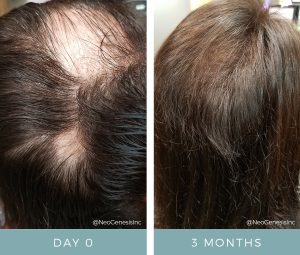
- Improves hair density and thickness
- Enhances scalp health
Our Hair Loss Solutions May Include:
We offer a range of non-surgical and medical treatments tailored to individual needs:
- Medical Management for alopecia and hair thinning
- PRP (Platelet-Rich Plasma) Therapy to stimulate natural hair growth
- Mesotherapy to nourish hair follicles
- Growth Factor Treatments for scalp rejuvenation
- Laser Hair Stimulation Therapy
- Customized Hair Care & Nutritional Guidance

Why Choose Skin Perfection & Laser Center?
Our expert dermatologists assess the underlying cause of hair loss—whether genetic, hormonal, stress-related, autoimmune, or nutritional—and design a personalized treatment plan for optimal results.
Alopecia Hair Loss Treatments
-
Experienced dermatologists and trained professionals
-
Advanced technology & evidence-based treatments
-
Safe, minimally invasive procedures
-
Customized care for men and women
-
Focus on natural-looking, long-term results
What to Expect
Alopecia Hair Loss Treatments
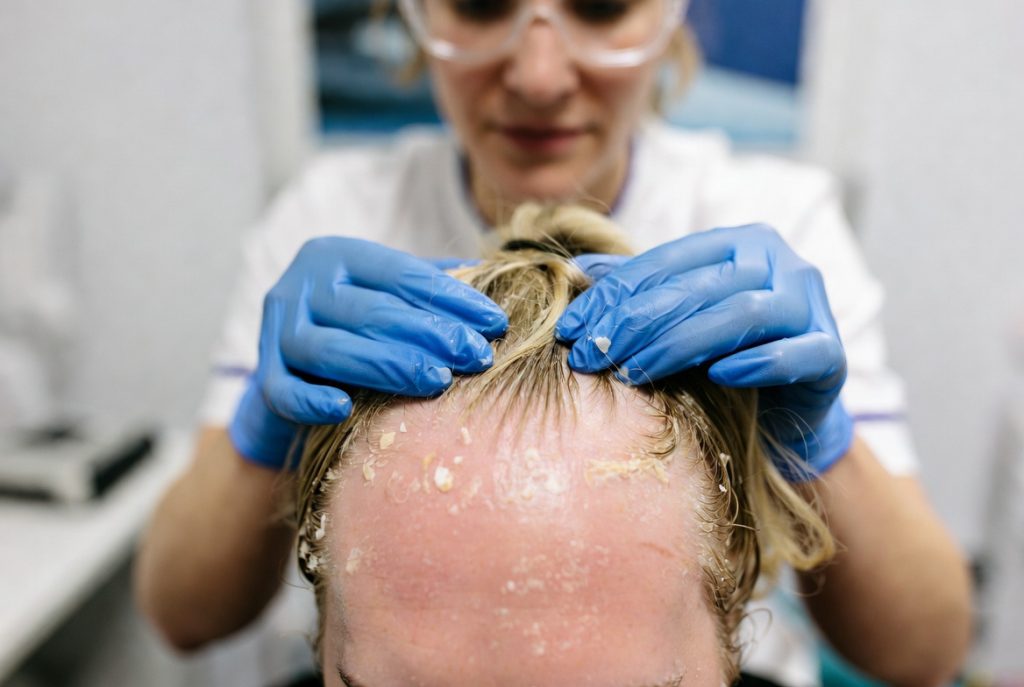
Our treatments are safe, minimally invasive, and performed by experienced professionals. Results improve gradually over multiple sessions, ensuring natural-looking and long-lasting outcomes.
FAQs: Alopecia Hair Loss Treatments
1. What is the best treatment for alopecia hair loss?
The best treatment for alopecia depends on its type, severity, and underlying cause. A qualified dermatologist can assess your condition and recommend suitable options, which may include medication, topical treatments, or other therapies.
2. Can alopecia hair loss grow back?
Hair regrowth is possible in some types of alopecia, but outcomes vary. The likelihood of regrowth depends on the cause of hair loss, the condition of the hair follicles, and the response to treatment.
3. What causes alopecia hair loss?
Alopecia can result from autoimmune conditions, genetics, hormonal changes, certain medications, nutritional deficiencies, or other medical factors. A professional assessment can help identify the possible cause.
4. How long does alopecia treatment take to show results?
Treatment timelines vary depending on the type of alopecia and the treatment prescribed. Some people may notice changes within several months, while others may require longer-term management.
5. Is alopecia hair loss permanent?
Not all types of alopecia cause permanent hair loss. Some forms allow hair to regrow, while scarring alopecia can permanently damage hair follicles. Early assessment can help determine the appropriate approach.
6. Can a dermatologist help treat alopecia?
Yes. A dermatologist can examine the scalp, assess the pattern of hair loss, recommend appropriate tests when needed, and discuss evidence-based treatment options.
7. Where can I get an alopecia hair loss consultation in DHA Lahore?
You can contact Skin Perfection & Laser Center in DHA Lahore to enquire about a hair loss consultation and available treatment options. A qualified professional can advise you after assessing your condition.
Conclusion
Alopecia hair loss can have different causes, so identifying the underlying condition is an important first step towards appropriate care. At Skin Perfection & Laser Center, DHA Lahore, individuals can enquire about alopecia hair loss consultations and suitable treatment options. A personalised assessment can help clarify potential benefits, risks, expected results, and the next steps for managing hair loss.
Reference Links
Use these trusted medical resources to support the article:
-
American Academy of Dermatology (AAD) — Hair loss: Diagnosis and treatment
-
NHS — Hair loss
