
Superficial Fungal Skin Infections: What, When, Why, Symptoms, Treatment & Prevention
Introduction: When an Itchy Rash Becomes More Than “Just an Allergy”
It often starts with something small.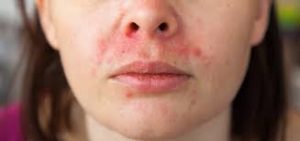
A little itching between the toes. A red patch on the body. A rash around the groin after a hot day. Someone may initially think it is an allergy, heat rash, dryness, or irritation from clothing.
Then the itching continues.
- Fungal Skin Infection Treatment →
/superficial-fungal-skin-infections-treatment-lahore/ - Skin Perfection Centre →
https://skinperfectioncenter.com/ - Dermatology Services → apni relevant dermatology services page ka URL
- Hair Loss Treatment → agar scalp fungal infection section ke andar relevant hair-loss page hai
The patch becomes larger, the skin starts peeling, or similar spots appear somewhere else.
This is where understanding superficial fungal skin infections Skin Perfection Centre becomes important. Fungal infections are common, particularly in warm and humid environments, but not every itchy or scaly rash is fungal.
The right diagnosis matters because fungal infections can sometimes become persistent when treated incorrectly. A professional dermatological assessment can help identify the cause and guide appropriate treatment
What Are Superficial Fungal Skin Infections?
Superficial fungal skin infections are infections involving the outer layers of the skin, hair, or nails.
They can be caused by different types of fungi and yeast. The most common groups include:
- Dermatophytes
- Candida
- Malassezia
Dermatophyte infections are commonly called tinea or ringworm. Despite the name, ringworm has nothing to do with worms. It is a fungal infection that can affect skin, hair, and nails.
Common examples include:
- Tinea corporis — body
- Tinea cruris — groin
- Tinea pedis — feet
- Tinea capitis — scalp
- Tinea manuum — hands
- Tinea faciei — face
- Tinea barbae — beard area
- Candidal skin infections
- Pityriasis versicolor
- Malassezia-associated skin conditions
Each type can look different, which is why recognizing the pattern is important.
Why Do Fungal Skin Infections Develop?
Fungi generally grow well in warm, moist environments.
That means excessive sweating, humidity, tight clothing, damp footwear, and prolonged moisture can create favorable conditions.
Other contributing factors may include:
- Frequent sweating
- Skin-to-skin contact
- Shared towels or clothing
- Communal showers and changing rooms
- Contact with infected animals
- Friction between skin folds
- Certain medical conditions
- Reduced immune function
- Poorly controlled diabetes
- Repeated exposure to humid environments
This does not mean that developing a fungal infection is a sign of poor hygiene. Even people who maintain excellent personal hygiene can develop fungal infections.
When Should You Suspect a Fungal Infection?
There is no single appearance that confirms a fungal infection, but certain patterns may raise suspicion.
Superficial Fungal Skin Infections:
You may notice:
- Persistent itching
- A slowly expanding patch
- Scaling around the edges
- Circular or ring-like lesions
- Peeling between the toes
- A red or irritated groin rash
- Discolored patches on the chest or back
- Recurrent rashes in skin folds
- Scalp scaling with hair loss
However, eczema, psoriasis, bacterial infections, contact dermatitis, and other conditions can produce similar symptoms.
That is why self-diagnosing every itchy rash as fungal may lead to the wrong treatment.
1. Tinea Corporis: Fungal Infection of the Body
Tinea corporis is commonly known as the ringworm of the body.
Imagine noticing a small circular patch on your arm. It may initially seem insignificant. Over time, however, the patch gradually expands and develops a more noticeable scaly border.
This is a typical presentation of tinea corporis.
Symptoms may include:
- Itching
- Scaling
- Red or darker patches
- Expanding circular lesions
- Raised or active borders
- Dryness or irritation
The infection can spread through direct contact with an infected person or animal and through contaminated personal items.
Treatment generally involves an appropriate antifungal medicine, depending on the diagnosis and severity.Superficial Fungal Skin Infections
2. Tinea Cruris: Fungal Infection of the Groin
Tinea cruris, commonly called jock itch, affects the groin and nearby areas.
It is particularly common when sweating and moisture remain around the groin for prolonged periods.
Common symptoms include:
- Intense itching
- Red or brownish patches
- Scaling
- Burning
- Irritation
- Spread toward the inner thighs
Tight clothing, friction, sweating, and prolonged moisture may increase the risk.
Keeping the area dry and wearing breathable clothing can help reduce recurrence.
3. Tinea Pedis: Athlete’s Foot
Athlete’s foot is a fungal infection of the feet.
It frequently begins between the toes, although the soles and sides of the feet may also become affected.
Symptoms can include:
- Itching
- Peeling
- Scaling
- Burning
- Cracking
- Dry skin
- Redness
People who regularly use gyms, swimming pools, communal showers, or changing rooms may have increased exposure.
Keeping feet dry, changing socks regularly, and allowing shoes to dry completely can help reduce risk.
4. Tinea Capitis: Scalp Fungal Infection
Tinea capitis affects the scalp and is especially important in children.
It can cause:
- Scalp scaling
- Itching
- Broken hairs
- Patchy hair loss
- Tenderness
- Inflamed areas
Scalp fungal infections often require medical evaluation because topical treatment alone may not be sufficient.
Early treatment is important because severe inflammatory scalp infections can potentially cause scarring hair loss.
5. Fungal Infections of the Face and Beard
Fungal infections can also affect the face and beard area.
Tinea faciei may appear as an itchy, scaly or expanding patch on the face, while tinea barbae can involve the beard and moustache area.
These infections can be particularly confusing because they may resemble:
- Eczema
- Acne
- Rosacea
- Bacterial infections
- Irritant dermatitis
Because facial skin is sensitive, treatment should be selected carefully by a qualified professional.
6. Candida Skin Infections
Candida is a yeast that can normally live on the skin without causing disease.
Under certain conditions, however, it can multiply excessively.
Candidal skin infections often develop in warm, moist areas such as:
- Under the breasts
- Groin
- Armpits
- Abdominal folds
- Other skin folds
Symptoms may include redness, soreness, burning, moisture, and small surrounding spots.
Managing moisture and treating the underlying infection are important parts of care.
7. Pityriasis Versicolor
Pityriasis versicolor, also called tinea versicolor, is associated with Malassezia, a yeast that normally lives on human skin.
It commonly affects the chest, back, shoulders, neck, and upper arms.
The patches may appear:
- Lighter than surrounding skin
- Darker than surrounding skin
- Pink or brown
- Finely scaly
The discoloration may remain for some time even after the yeast has been successfully treated.
Therefore, persistent color changes do not always mean that the infection is still active.
Why Is Correct Diagnosis Important?
One of the biggest challenges with skin rashes is that different conditions can look remarkably similar.
For example, a red, itchy patch could represent:
- Fungal infection
- Eczema
- Psoriasis
- Contact dermatitis
- Bacterial infection
- An allergic reaction
Treatment that is appropriate for one condition may not be appropriate for another.
This is particularly important with steroid-containing combination creams.
Steroids can temporarily reduce redness and itching, but when used incorrectly on a fungal infection, they may allow the infection to continue while changing its appearance.
A dermatologist can determine whether the rash is actually fungal and recommend treatment according to the diagnosis.
What Happens During a Dermatological Evaluation?
When you visit a dermatologist, the consultation usually begins with understanding your symptoms and history.
The doctor may ask:
- When did the rash begin?
- Has it increased in size?
- Is it itchy or painful?
- Has anyone else at home developed a similar rash?
- Have you used any creams?
- Do you have pets?
- Do you frequently sweat?
- Have you recently visited gyms, pools, or communal showers?
- Has the infection occurred before?
The skin is then examined carefully.
When necessary, additional testing may be recommended to confirm the diagnosis.
This step can prevent unnecessary treatment and help identify recurrent or difficult-to-treat infections.
How Are Superficial Fungal Skin Infections Treated?
Treatment depends on the location, type, severity, and extent of the infection.
Topical Antifungal Treatment
Limited infections on the skin may often be managed with topical antifungal medicines.
These may come in the form of creams, lotions, gels, or sprays.
The exact medicine and duration should be selected according to the diagnosis.
Oral Antifungal Treatment
Some infections may require oral antifungal medicines.
This may be considered for certain scalp infections, extensive infections, recurrent infections, or cases that do not respond adequately to topical treatment.
Oral antifungal medicines should be taken under appropriate medical supervision.
When Should You See a Dermatologist?
Do not ignore a rash simply because it looks small.
Professional evaluation is particularly important when:
- The rash continues to spread.
- Symptoms become severe.
- The scalp is involved.
- Hair loss occurs.
- The face or beard is affected.
- The infection keeps returning.
- Previous treatment has failed.
- You are unsure whether the rash is fungal.
- The skin becomes painful, swollen, or develops signs of secondary infection.
Early assessment can help prevent prolonged discomfort and unnecessary self-treatment.
How Can You Prevent Fungal Skin Infections?
Prevention becomes particularly important for people who experience repeated infections.
Simple habits can help:
Keep skin dry: Dry carefully after bathing, particularly between toes and within skin folds.
Change sweaty clothes: Avoid staying in damp clothing for long periods.
Choose breathable fabrics: Loose-fitting clothing can reduce heat, moisture, and friction.
Protect your feet: Wear footwear in communal showers and changing rooms.
Do not share personal items: Avoid sharing towels, socks, clothing, razors, and footwear.
Take care of footwear: Allow shoes to dry completely before wearing them again.
Manage recurrent problems: If infections keep returning, discuss the pattern with a dermatologist
Superficial Fungal Infections in Pakistan’s Warm Climate
Warm and humid weather can encourage sweating and moisture accumulation, particularly during hotter months.
People may therefore notice fungal problems affecting the groin, feet, body folds, and other areas where moisture remains trapped.
Simple prevention habits can make a difference, but prevention cannot replace treatment when an active infection is present.
If a rash continues despite basic hygiene measures, professional evaluation is recommended.
For individuals searching for superficial fungal skin infections Skin Perfection Centre, a dermatologist can assess the condition and recommend an individualized treatment approach
A Simple Story: When “Heat Rash” Was Actually Fungal
A young woman noticed an itchy patch on her upper thigh during the summer.
At first, she assumed it was simply heat rash.
She changed her soap. She used a moisturizer. Later, she tried a cream recommended by a friend.
The itching improved temporarily, but the patch continued to expand.
Instead of continuing to experiment with different creams, she decided to have the rash examined.
The dermatologist recognized that the pattern could be consistent with a fungal infection and recommended appropriate treatment.
Over time, the rash improved.
The lesson was simple: not every itchy rash is an allergy or heat rash, and not every cream is appropriate for every skin condition.
Getting the diagnosis right can save time, reduce unnecessary treatment, and help prevent recurrence.
Frequently Asked Questions
1. What are superficial fungal skin infections?
They are fungal or yeast-related infections affecting the outer layers of the skin, hair, or nails.
2. What are the most common types of fungal skin infections?
Common types include ringworm, athlete’s foot, jock itch, scalp ringworm, candidal infections, and pityriasis versicolor.
3. Are fungal skin infections contagious?
Some, particularly dermatophyte infections, can spread through direct contact or contaminated personal items.
4. Can steroid creams worsen fungal infections?
Yes, inappropriate steroid use can mask symptoms and potentially allow some fungal infections to spread.
5. How can fungal infections be prevented?
Keep skin dry, change sweaty clothing, avoid sharing personal items, and wear protective footwear in communal wet areas.
6. When should I see a dermatologist?
See a dermatologist when the rash spreads, returns repeatedly, affects the scalp or face, causes hair loss, or does not improve with appropriate treatment
Conclusion
Superficial fungal skin infections are common, treatable conditions, but identifying the correct type is essential for effective care.
From ringworm and athlete’s foot to candidal infections and pityriasis versicolor, fungal conditions can appear differently depending on where they occur and what organism is involved.
If you have a persistent, spreading, recurrent, or unexplained rash, avoid repeatedly changing creams without professional advice. A dermatologist can evaluate the skin, determine the likely cause, and recommend appropriate treatment.
At Skin Perfection Centre, professional dermatological assessment can help patients understand their skin condition and choose a suitable treatment plan.
- Fungal Skin Infection Treatment →
/superficial-fungal-skin-infections-treatment-lahore/ - Skin Perfection Centre →
https://skinperfectioncenter.com/ - Dermatology Services → apni relevant dermatology services page ka URL
- Hair Loss Treatment → agar scalp fungal infection section ke andar relevant hair-loss page hai