
Common Types of Allergy, Eczema & Dermatitis in Pakistan and Asia
Introduction
Skin rashes, itching, redness and irritation are extremely common in Pakistan and across Asia. Many people simply describe these symptoms as an “allergy,” but not every itchy or red skin eruption is caused by an allergy.
Eczema and dermatitis can develop because of genetic skin-barrier problems, irritants, allergens, environmental exposure, sunlight, infections, infestations, occupational chemicals or repeated scratching. Correctly identifying the cause is important because different types of dermatitis require different approaches to management.
In Pakistan, factors such as hot and humid weather, dust, sweating, sunlight, cosmetics, fragrances, detergents, occupational exposure and insect or mite infestations can contribute to various skin conditions.
This guide explains common types of allergy, eczema and dermatitis in Pakistan and Asia, their typical triggers, symptoms and important clinical differences.
What Is Eczema and Dermatitis?
Eczema and dermatitis are terms often used to describe inflammatory skin conditions that can cause:
- Itching
- Redness
- Dryness
- Scaling
- Burning or stinging
- Crusting
- Small blisters
- Thickened skin from chronic scratching
Although the terms are sometimes used interchangeably, dermatitis can have several different causes, including allergic reactions, direct irritation, environmental exposure and other inflammatory processes.
Common Types of Allergy, Eczema & Dermatitis in Pakistan
. Atopic Dermatitis (Atopic Eczema)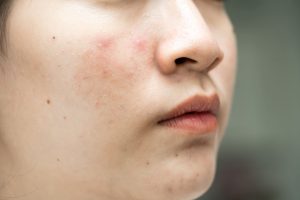
Atopic dermatitis is a chronic inflammatory skin condition that commonly begins during childhood but can also affect adults.
People with atopic dermatitis may have an impaired skin barrier, making their skin more sensitive to environmental triggers.
Common triggers include:
- Heat and sweating
- Humidity
- Cold or dry weather
- Dust and house-dust mites
- Wool and rough fabrics
- Fragranced skincare products
- Harsh soaps and detergents
- Stress and poor sleep
- Respiratory allergies
- Certain foods in selected children
Importantly, atopic dermatitis is not usually caused by one specific food or allergy. Trigger patterns vary between individuals.
2. Allergic Contact Dermatitis
Allergic contact dermatitis occurs when the immune system reacts to a substance that has contacted the skin.
Common triggers include:
- Fragrances
- Cosmetics
- Hair dyes
- Nickel
- Jewellery
- Preservatives
- Topical medications
- Certain plants
- Rubber and occupational materials
The rash may appear at the site of contact, although it can sometimes spread beyond the original area.
Patch testing may help identify relevant contact allergens in selected patients.
3. Irritant Contact Dermatitis
Unlike allergic contact dermatitis, irritant contact dermatitis does not require an allergic immune response.
It occurs when a substance directly damages or irritates the skin.
Common causes include:
- Detergents
- Soaps
- Cleaning chemicals
- Frequent hand washing
- Disinfectants
- Solvents
- Occupational exposure
- Excessive water exposure
Hands are particularly vulnerable, especially among people who frequently wash their hands or work with chemicals.
4. Seborrheic Dermatitis
Seborrheic dermatitis commonly affects areas rich in sebaceous glands.
Typical locations include:
- Scalp
- Eyebrows
- Around the nose
- Behind the ears
- Beard area
- Upper chest
Patients may develop redness, itching and greasy or flaky scales.
Stress, weather changes and other factors can influence flare-ups.
. Nummular Eczema
Nummular eczema is characterized by round or coin-shaped itchy patches.
It may occur on:
- Legs
- Arms
- Trunk
- Hands
Dry skin, irritation and environmental factors may contribute to flare-ups.
Because several skin diseases can produce circular lesions, persistent or unusual patches should be properly assessed rather than automatically assumed to be eczema.
6. Hand Eczema
Hand eczema is particularly important because the hands are constantly exposed to water, soaps, detergents and chemicals.
Symptoms can include:
- Dryness
- Cracking
- Redness
- Scaling
- Burning
- Itching
- Painful fissures
- Blisters in some forms
People working in healthcare, cleaning, food preparation, beauty services and other occupations involving frequent hand exposure may be particularly affected.
7. Dyshidrotic Eczema
Dyshidrotic eczema, also called pompholyx, may produce small, intensely itchy blisters on the:
- Palms
- Sides of fingers
- Soles of the feet
Heat, sweating, stress and certain exposures may aggravate symptoms in some individuals.
: 8. Flexural Eczema and Other Eczematous Eruptions
Eczematous conditions may also affect body folds, particularly where heat, moisture and friction are present.
In Pakistan’s warm climate, sweating and occlusion may aggravate irritation.
However, fungal infections can also affect skin folds and may sometimes resemble eczema. This is why accurate diagnosis is important before using treatments such as topical corticosteroids.
Other Important Dermatitis and Photosensitivity Conditions in Pakistan
9. Photocontact Dermatitis
Photocontact dermatitis occurs when a substance on the skin becomes reactive after exposure to ultraviolet radiation, usually UVA.
Triggers can include:
- Certain fragrances
- Some sunscreens or UV filters
- Topical medications
- Antiseptics
- Disinfectants
- Plant products
- Citrus-containing substances
- Occupational chemicals
It commonly affects sun-exposed areas such as the:
- Face
- Neck
- Forearms
- Hands
Phototoxic reactions may resemble sunburn, while photoallergic reactions may appear more like an itchy eczematous rash.
10. Polymorphic Light Eruption (PMLE)
Polymorphic light eruption is a common photosensitivity disorder.
It may occur after a sudden increase in sun exposure, particularly during spring and summer.
Symptoms can include:
- Itchy papules
- Red plaques
- Small blisters
- Vesicles
Common areas include the chest, neck, arms and forearms.
PMLE is not contagious and may improve when the skin gradually becomes accustomed to sunlight.
Sun protection is an important part of prevention.
11. Post-Scabetic Eczema / Post-Scabetic Dermatitis
After successful treatment of scabies, itching can sometimes continue for several weeks.
This may happen because of:
- Persistent hypersensitivity to mite antigens
- Residual inflammation
- Scratching
- Skin-barrier damage
- Irritation from repeated topical treatments
Persistent itching does not automatically mean that scabies treatment has failed.
However, new burrows, new typical lesions or continuing symptoms among close contacts should prompt medical reassessment.
12. Post-Lice or Nits-Associated Dermatitis
Head lice can cause significant itching because of hypersensitivity to louse saliva and repeated scratching.
Possible findings include:
- Scalp excoriations
- Redness
- Crusting
- Eczematous patches
- Post-inflammatory pigmentation
Itching may temporarily continue after successful lice treatment.
Nits attached firmly to hair shafts should also be distinguished from dandruff and cosmetic residue.
Paederus Dermatitis
Paederus dermatitis is an important tropical and Asian irritant contact dermatitis.
It occurs when pederin, a potent toxin released by Paederus beetles, comes into contact with the skin.
It is important to understand that Paederus dermatitis is not caused by a beetle bite or sting.
Symptoms may develop within hours and include:
- Burning
- Stinging
- Red patches
- Linear lesions
- “Kissing” lesions
- Vesicles
- Bullae
- Crusting
- Post-inflammatory pigmentation
It often affects exposed areas after sleeping or working outdoors.
Prevention: Do not crush the beetle against the skin. Gently brush or blow it away and wash the exposed area promptly.
H2: Why Is Correct Diagnosis Important?
Many different skin conditions can cause similar symptoms.
For example, eczema, fungal infection, scabies, psoriasis and allergic contact dermatitis may sometimes produce redness, scaling or itching.
Using the wrong treatment may delay improvement or occasionally make another condition worse.
A dermatologist may consider:
- Medical history
- Duration of symptoms
- Pattern and location of the rash
- Recent exposures
- Cosmetics and skincare products
- Occupational exposure
- Medication history
- Sun exposure
- Household contacts
- Previous treatments
- Physical examination
- Patch testing or other investigations when appropriate
Allergy, Eczema or Dermatitis — When Should You See a Dermatologist?
Consider professional evaluation if the rash:
- Keeps returning
- Is spreading
- Causes severe itching
- Is painful or blistering
- Develops infection or pus
- Interferes with sleep
- Does not improve with basic skin care
- Appears after a new cosmetic or medication
- Is affecting the face, eyelids or sensitive areas
- Is associated with suspected scabies or lice
- Is repeatedly triggered by workplace exposure
Frequently Asked Questions About Allergy, Eczema & Dermatitis in Pakistan
H3: Is every itchy rash an allergy?
No. Itching can occur with eczema, dermatitis, fungal infections, scabies, psoriasis and several other skin conditions.
H3: What commonly triggers eczema in Pakistan?
Heat, sweating, humidity, dust, harsh soaps, detergents, fragrances, dry weather and other individual triggers may aggravate eczema.
H3: Can stress make eczema worse?
Stress may aggravate eczema symptoms in some people, although it is not the sole cause of eczema.
H3: Is Paederus dermatitis caused by an insect bite?
No. It results from skin contact with pederin released when the beetle is crushed against the skin.
H3: Can itching continue after scabies treatment?
Yes. Post-scabetic itching can persist for several weeks even after successful eradication of the mites.
H3: How is allergic contact dermatitis diagnosed?
A dermatologist may use the patient’s history and examination and, when appropriate, patch testing to identify relevant contact allergens.
H3: Can sunlight cause dermatitis?
Yes. Conditions such as photocontact dermatitis and polymorphic light eruption can produce skin reactions associated with sunlight.
H3: Should I use a steroid cream for every itchy rash?
No. Different skin conditions require different treatments. A persistent or uncertain rash should be assessed by a qualified dermatologist before prolonged use of topical steroids.
Conclusion
In Pakistan and other Asian countries, itching, redness, eczema and dermatitis are common—but they do not all have the same cause.
Atopic dermatitis, allergic contact dermatitis, irritant dermatitis, seborrheic dermatitis, hand eczema, photosensitivity disorders, post-scabetic eczema and Paederus dermatitis can look similar at first but have different underlying mechanisms and management approaches.
Understanding the patient’s environment, climate, occupation, skincare products, sunlight exposure, household contacts and previous treatments can provide important clues.
If a rash is persistent, recurrent, spreading or difficult to diagnose, consultation with a dermatologist can help identify the underlying condition and guide appropriate treatment.
For patients in Lahore and surrounding areas, Skin Perfection Centre can provide professional dermatological assessment for persistent eczema, dermatitis, allergies and other skin concerns.
in dr sommiya brand latest google version and internal link reference link
Yes. For Dr. Sommiya Anum / Skin Perfection Centre, I would make the article more doctor-led, local, and medically trustworthy, rather than simply adding keywords. Google’s current guidance emphasizes people-first content, clear expertise, useful internal linking, and descriptive anchor text.
Instead of:
Click here to learn more about eczema.
Use:
Patients with persistent symptoms may benefit from professional eczema treatment and an appropriate dermatological assessment.
This is better because the anchor itself tells Google and the reader what the destination page is about.
H2: When Should You See a Dermatologist for Eczema or Skin Allergy?
Add this section before the FAQs:
H3: Seek professional assessment if:
- The rash keeps returning.
- Itching is affecting sleep.
- The rash is spreading.
- There is pain, oozing, crusting or suspected infection.
- Symptoms began after a cosmetic, medication or chemical exposure.
- You suspect scabies or another infestation.
- A rash does not improve with basic skin care.
- You are repeatedly using steroid creams without a confirmed diagnosis.
Internal link:
Dermatologist consultation for skin allergies and eczema
Skin Allergy, Eczema & Dermatitis in Lahore
For the GEO/local section, don’t stuff “Lahore” into every paragraph. Make it genuinely useful:
In Lahore and other parts of Pakistan, dermatological conditions may be influenced by heat, humidity, dust, sweating, sunlight, personal-care products and occupational exposure. A dermatologist can evaluate the pattern, duration and possible triggers of a rash before recommending appropriate treatment.
Then add your clinic CTA:
Looking for professional skin care in Lahore? Dr. Sommiya Anum at Skin Perfection Centre provides dermatological assessment for persistent eczema, dermatitis, skin allergies and other skin concerns.
Internal link:
Skin Perfection Centre → your actual homepage
Dr. Sommiya Anum → your doctor/profile page
Book a dermatologist appointment → your actual contact/booking page
AEO: Add Direct Answers
These short answers are useful for featured snippets and AI-search understanding:
What is the most common type of eczema?
Atopic dermatitis is one of the most common forms of eczema and often begins during childhood.
What causes skin allergy in Pakistan?
Skin reactions may be triggered by fragrances, cosmetics, detergents, metals, chemicals, sunlight, environmental exposure and other individual triggers.
Is every itchy rash an allergy?
No. Itching can occur with eczema, dermatitis, fungal infections, scabies, psoriasis and other skin conditions.
Can heat make eczema worse?
Yes. Heat and sweating can aggravate eczema in some people, particularly in hot and humid climates.
Can scabies itching continue after treatment?
Yes. Itching can persist for several weeks after successful scabies treatment because inflammation and hypersensitivity may take time to settle.
What is Paederus dermatitis?
Paederus dermatitis is an irritant skin reaction caused by contact with pederin released when a Paederus beetle is crushed against the skin.
FAQ Schema
Keep the visible FAQs on the page and then add FAQ structured data only if it fits Google’s current eligibility/guidance for your site type. Don’t add schema merely to try to force a rich result.
Google’s current documentation emphasizes structured data as a way to make eligible search features possible, but structured data does not guarantee a special search appearance.
External Reference Links
For medical credibility, I recommend adding a small “Medical References” section rather than stuffing external links throughout the article.
Good sources include:
- American Academy of Dermatology (AAD) — eczema, dermatitis and skin conditions
- DermNet — dermatology reference material
- NHS — eczema and dermatitis information
- Mayo Clinic — general patient education
For Google’s SEO side, the official Google Search Central guidance confirms that relevant links can help users and search engines understand and discover related resources.
Strong Final SEO Structure
H1: Common Types of Allergy, Eczema & Dermatitis in Pakistan | Dr. Sommiya Anum
H2: What Is Eczema and Dermatitis?
H2: Common Types of Allergy, Eczema & Dermatitis in Pakistan
→ H3 Atopic Dermatitis
→ H3 Allergic Contact Dermatitis
→ H3 Irritant Contact Dermatitis
→ H3 Seborrheic Dermatitis
→ H3 Nummular Eczema
→ H3 Hand Eczema
→ H3 Dyshidrotic Eczema
Other Important Dermatitis Conditions in Pakistan
Photocontact Dermatitis
PMLE
Post-Scabetic Eczema
H3 Post-Lice Dermatitis
H3 Paederus Dermatitis
: How Is Eczema or Dermatitis Diagnosed?
: When Should You See a Dermatologist?**
Skin Allergy, Eczema & Dermatitis Treatment in Lahore**
Frequently Asked Questions**
Conclusion**
Medical Expert Box: Dr. Sommiya Anum
Medical References
This structure is closer to Google’s current people-first approach than simply repeating the focus keyword. Google explicitly says there is no preferred word count and recommends substantial, original, expert-led value rather than content created primarily to manipulate rankings.
Every now & then she learns new updated latest techniques of aesthetic dermatology & rejuvenation
She is a classified dermatologist as well & she also excels in basic pathological diseased cases of skin these refractory to first line treatments
Dr Sommiya Anum has Alot of experience of pediatric dermatology as well and she checks infants ,children & adolescent also since last 1 decade in government & private setups