What causes seborrheic dermatitis and can it lead to hair loss? Explore genetics, triggers & proven treatments from Skin Perfection & Laser Center.
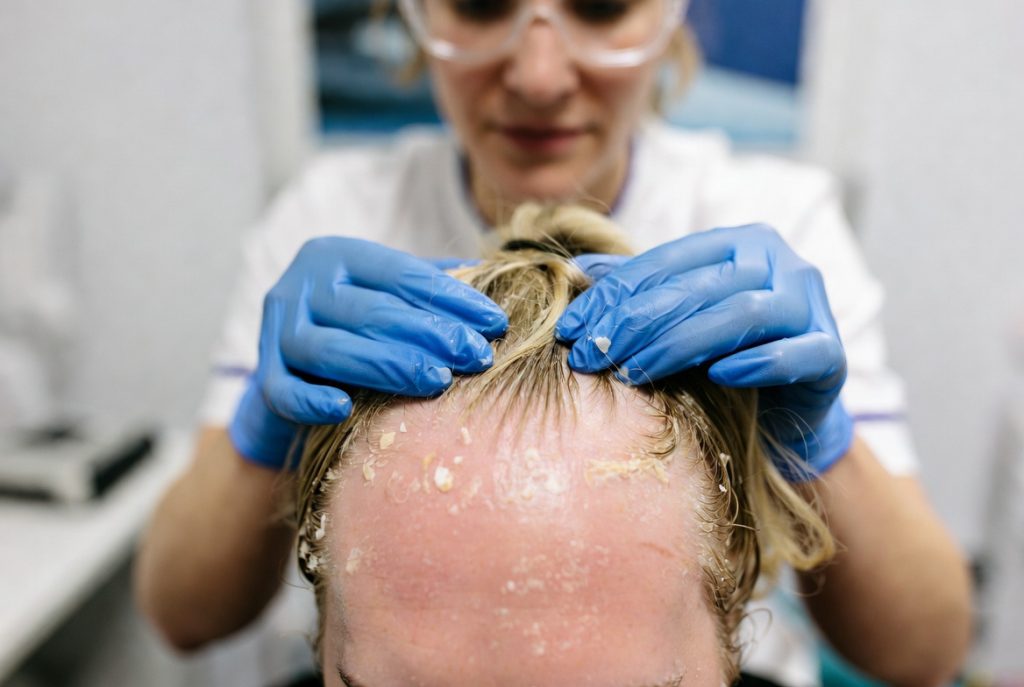
Seborrheic Dermatitis (Dandruff): Causes, Genetics, Hair Loss & Treatment Seborrheic dermatitis is one of the most common scalp conditions worldwide. Often referred to as dandruff when it affects the scalp in a milder form, this chronic inflammatory skin disorder can cause persistent flaking, itching, redness, irritation, and discomfort. While many people assume dandruff is simply a result of poor hygiene, scientific research shows that the condition is far more complex.Seborrheic Dermatitis (Dandruff): Causes & Treatment Seborrheic dermatitis involves an interaction between the skin’s immune system, oil production, genetics, and a naturally occurring yeast known as Malassezia. Although the condition is not dangerous, it can significantly affect quality of life, self-confidence, and even hair health when left untreated.Seborrheic Dermatitis: Causes, Hair Loss & Treatment Understanding the causes, risk factors, symptoms, and treatment options can help individuals effectively manage flare-ups and maintain a healthy scalp What Is Seborrheic Dermatitis?Seborrheic Dermatitis (Dandruff): Causes & Treatment Seborrheic dermatitis is a chronic inflammatory skin condition that primarily affects areas rich in sebaceous (oil-producing) glands. These areas include: The scalp Eyebrows Sides of the nose Behind the ears Beard area Chest Upper back Seborrheic Dermatitis On the scalp, seborrheic dermatitis often appears as dandruff, characterized by white or yellow flakes. More severe cases may involve redness, greasy scales, burning sensations, and persistent itching.Seborrheic Dermatitis (Dandruff): Causes & Treatment Unlike temporary scalp dryness, seborrheic dermatitis tends to recur over time. Many individuals experience periods of improvement followed by flare-ups triggered by various environmental or biological factors. Understanding the Difference Between Dandruff and Seborrheic Dermatitis Many people use the terms dandruff and seborrheic dermatitis interchangeably. While they are closely related, they are not exactly the same. Dandruff is generally considered a mild form of seborrheic dermatitis that affects only the scalp without significant inflammation. Seborrheic dermatitis is a broader medical condition that can involve: Significant inflammationSeborrheic Dermatitis (Dandruff): Causes & Treatment Redness Greasy scales Skin irritation Involvement of multiple body areas Both conditions share similar underlying mechanisms, including the presence of Malassezia yeast and abnormal inflammatory responses. Symptoms of Seborrheic Dermatitis Symptoms can vary from mild to severe depending on the individual. Common symptoms include: Scalp Flaking The most recognizable symptom is the presence of white, yellow, or oily flakes on the scalp. Itching Persistent itching often accompanies dandruff and can become severe during flare-ups. Redness Inflamed skin beneath the flakes may appear red and irritated. Greasy Scales Some individuals develop thick, greasy scales that adhere to the scalp. Burning or Tenderness In severe cases, inflammation can cause discomfort, burning, or scalp sensitivity. Hair Shedding Excessive scratching and inflammation may contribute to temporary hair shedding. What Causes Seborrheic Dermatitis? The exact cause remains incompletely understood. However, researchers agree that several factors work together to trigger the condition. One of the most important factors is the overgrowth of Malassezia, a naturally occurring yeast that lives on human skin. Under normal circumstances, Malassezia exists harmlessly on the scalp. However, in susceptible individuals, the yeast can trigger an inflammatory reaction. The yeast feeds on scalp oils and produces byproducts that may irritate the skin barrier and stimulate inflammation. 2. Excess Sebum Production Sebaceous glands produce sebum, an oily substance that helps protect the skin. Individuals with oily skin often experience more severe seborrheic dermatitis because: Excess oil provides nourishment for Malassezia Oil accumulation can trap dead skin cells Increased oil production may worsen inflammation 3. Abnormal Immune Response Not everyone with Malassezia develops dandruff. Research suggests that affected individuals may have an exaggerated immune response to the yeast, leading to: Chronic inflammation Increased skin turnover Flaking Itching 4. Skin Barrier Dysfunction The skin barrier serves as protection against irritants and microorganisms. When the barrier becomes compromised: Moisture escapes more easily Irritants penetrate the skin Inflammation increases This dysfunction may contribute to chronic symptoms. 5. Hormonal Influences Hormones influence oil production throughout life. Seborrheic dermatitis is more common during: Infancy Adolescence Early adulthood These life stages involve significant hormonal changes that can increase sebum production. Is Seborrheic Dermatitis Genetic? Research indicates that genetics play an important role in determining susceptibility. Individuals with a family history of: Seborrheic dermatitis Eczema Psoriasis Other inflammatory skin conditions may have a higher likelihood of developing dandruff and chronic scalp inflammation. Genetic influences may affect: Skin Barrier Function Some individuals inherit weaker skin barrier characteristics that make the scalp more vulnerable to irritation. Immune Regulation Genes influence how the immune system responds to microorganisms such as Malassezia. Oil Production Inherited differences in sebaceous gland activity can affect the amount of scalp oil produced. Inflammatory Responses Certain genetic variations may make the skin more prone to inflammation. While genetics increase risk, environmental triggers often determine when symptoms appear. Who Is Most at Risk? Several factors increase susceptibility. Oily Skin People with naturally oily skin are more likely to develop seborrheic dermatitis. Age The condition commonly affects: Infants Teenagers Young adults Middle-aged adults Male Gender Men often experience higher rates due to androgen-related oil production. Stress Psychological stress is a well-known trigger for flare-ups. Cold Weather Winter conditions frequently worsen symptoms. Fatigue and Sleep Deprivation Poor sleep may negatively affect immune regulation and inflammation. Neurological Conditions Individuals with Parkinson’s disease have an increased risk of seborrheic dermatitis. Weakened Immunity People with HIV infection or other immune disorders may experience more severe symptoms. Did you like this feature? Anchor Text (in blog) Links To Placement “scalp & hair health analysis” / “trichoscopy” Scalp & Hair Health Analysis (Trichoscopy) service page In diagnosis/causes section — natural fit since trichoscopy is used to diagnose scalp conditions “professional scalp treatment” Scalp treatment / hair treatment service page In treatment section “hair thinning” / “hair loss concerns” Hair loss / hair regrowth service page (if separate from trichoscopy) In the hair loss section “book a consultation” / “free skin consultation” Contact / Book Appointment page Near end of article (CTA) “our dermatology services” Main Services page In intro or conclusion “skin conditions we treat” Related blog (e.g., psoriasis, eczema, acne if