
Stress-Related Skin Problems: Dermatologist-Led Care by Dr. Sommiya Anum
Stress does not only affect how you feel—it can also influence how your skin looks and behaves. During prolonged periods of psychological stress, some people notice more breakouts, itching, redness, sensitivity, eczema flares, or changes in pigmentation.Stress-Related Skin Problems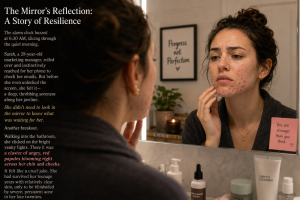
These stress-related skin problems are connected to complex interactions between the nervous system, hormones, immune responses, and the skin barrier. However, stress should not automatically be assumed to be the only cause of a skin condition.
At Skin Perfection & Laser Center, Dr. Sommiya Anum provides professional dermatological assessment to identify the underlying skin concern and recommend an appropriate treatment approach.
What Are Stress-Related Skin Problems?
Stress-related skin problems are skin concerns that may appear or become more noticeable during periods of psychological or physical stress.
Stress can influence inflammatory and immune pathways in the skin. Research into the skin-brain axis has shown that the nervous system and skin communicate through hormonal, neural, and immune mechanisms.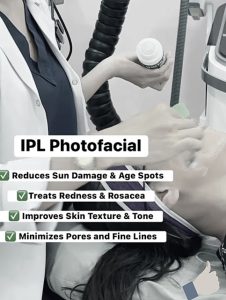
This means that when your stress levels remain high, an existing skin condition may become harder to manage.
However, every rash, breakout, or pigmentation concern has multiple possible causes. A professional assessment is important before assuming that stress is responsible.
How Can Psychological Stress Affect the Skin?
The body responds to stress through interconnected neurological and hormonal systems, including the hypothalamic-pituitary-adrenal (HPA) axis.
Stress-related mediators can influence inflammation, immune activity, blood vessels, sebaceous glands, and the skin barrier.
For some individuals, these changes may contribute to worsening of inflammatory skin conditions.
Psychological stress can also affect sleep, skincare habits, scratching behaviour, diet, and the tendency to touch or pick the skin. These indirect effects can further complicate an existing dermatological problem.
Stress-Related Acne and Breakouts
Acne is one of the most common concerns people notice during stressful periods.
Stress does not mean that acne is “all in your head.” Acne is a genuine dermatological condition involving factors such as sebum production, follicular blockage, inflammation, and changes involving the skin microbiome.
Stress may act as one factor that aggravates acne in susceptible individuals.
During stressful periods, some people also change their skincare routine, sleep less, touch their face more frequently, or use multiple products in an attempt to control breakouts.
A dermatologist can determine whether the problem is acne, irritation, folliculitis, or another condition and recommend appropriate care.
Stress and Eczema or Dermatitis
People with eczema may notice that symptoms become more troublesome during stressful periods.
Itching can increase, and repeated scratching can further damage the skin barrier. This can create a cycle in which itching leads to scratching, scratching causes irritation, and irritation increases discomfort.
Stress is not the same thing as the underlying diagnosis, however.
Persistent redness, itching, scaling, swelling, or recurrent rashes should be assessed by a dermatologist to determine whether the condition is eczema, allergic contact dermatitis, irritant dermatitis, psoriasis, or another skin disorder.
Stress, Psoriasis and Inflammation
Psoriasis is a chronic inflammatory skin disease involving immune-system pathways.
Psychological stress is recognized as a potential trigger or aggravating factor for some people with psoriasis, although individual experiences vary.
If psoriasis symptoms are becoming more frequent or severe, professional dermatological management is important. Stress management can be supportive, but it should complement—not replace—appropriate medical treatment.
Stress and Skin Pigmentation
Stress is sometimes blamed for every pigmentation problem, but pigmentation has many possible causes.
Sun exposure, hormonal changes, inflammation, acne, medications, skin injury, and underlying dermatological conditions can all contribute to changes in skin colour.
Inflammation from acne, eczema, dermatitis, or another skin reaction can sometimes be followed by post-inflammatory hyperpigmentation.
This is why treating the underlying skin condition is often an important first step before focusing specifically on pigmentation.
Stress and Sensitive or Reactive Skin
Some people notice increased burning, stinging, itching, dryness, or discomfort during stressful periods.
A sensitive-feeling skin response can have several causes, including barrier disruption, irritating products, environmental factors, dermatological conditions, and individual skin sensitivity.
If your skin repeatedly reacts to skincare or cosmetic products, do not assume that stress is the only explanation.
A dermatologist can help distinguish between sensitivity, irritation, allergic contact dermatitis, acne, eczema, and other causes.
When Should You See a Dermatologist?
Consider professional assessment if your skin problem:
- Keeps returning
- Becomes increasingly inflamed
- Causes persistent itching or burning
- Produces swelling or a spreading rash
- Causes recurrent acne or breakouts
- Leaves dark marks after inflammation
- Reacts repeatedly to skincare products
- Does not improve after simplifying your skincare routine
- Is affecting your confidence or quality of life
The goal is to identify the actual dermatological condition, rather than simply attributing the symptoms to stress.
Dermatologist-Led Skin Care at Skin Perfection
At Skin Perfection & Laser Center, Dr. Sommiya Anum can assess your skin concern and determine whether stress may be contributing to an existing dermatological problem.
Your treatment plan should be based on your skin type, symptoms, underlying condition, medical history, and treatment goals.
Depending on the diagnosis, dermatological and aesthetic options may be considered as appropriate.
The important first step is an accurate assessment—not simply adding more products to an already irritated skin barrier.
Stress Management Can Complement Skin Care
Managing psychological stress may be useful as part of an overall approach to wellbeing.
Practical strategies can include:
- Maintaining a consistent sleep routine
- Regular physical activity
- Relaxation and breathing exercises
- Taking appropriate breaks from prolonged work stress
- Avoiding unnecessary skin picking or scratching
- Following a simple skincare routine
- Seeking professional psychological support when stress becomes difficult to manage
These strategies are supportive and should not be presented as replacements for dermatological diagnosis or treatment.
Recommended Stress-Management Resource
For clients who would like additional educational support for managing stress and emotional wellbeing, HealOraCBT by Khushbakht Ahmed can be recommended as a complementary resource.
The purpose of this recommendation is educational: helping clients understand stress, emotional responses, thinking patterns, and practical CBT-based self-help strategies while they continue appropriate dermatological care.
Recommended client resource:
HealOraCBT – CBT-based emotional wellness and stress-management education
Why Choose Professional Dermatological Care?
Skin problems can have overlapping symptoms.
A red face may be irritation, allergy, rosacea, eczema, or another condition. A breakout may be acne, folliculitis, irritation, or a reaction to a product. Dark patches may have inflammatory, hormonal, environmental, or other causes.
Professional assessment helps move beyond guesswork.
Dr. Sommiya Anum can evaluate the skin concern and develop a treatment approach based on the individual’s needs rather than relying on a one-size-fits-all skincare routine.
Frequently Asked Questions
Can stress cause skin problems?
Stress can influence inflammatory, hormonal, immune, and nervous-system pathways and may worsen some existing skin conditions. It is not necessarily the sole cause of a skin problem.
Can stress cause acne?
Stress may aggravate acne in some people, but acne has multiple contributing factors. Proper dermatological assessment can help determine the appropriate treatment.
Can stress make eczema worse?
Yes, psychological stress may aggravate eczema symptoms in some individuals. Persistent itching, redness, or inflammation should still be assessed by a dermatologist.
Can stress cause pigmentation?
Stress is not the only explanation for pigmentation. Inflammation from acne, eczema, dermatitis, sun exposure, hormonal changes, and other factors can contribute to pigmentation.
Should I stop my skincare products if my skin is reacting?
If a product appears to be causing a significant reaction, avoid repeatedly applying it and seek professional advice, particularly if symptoms are severe or persistent.
When should I see Dr. Sommiya Anum?
If your skin symptoms are persistent, recurrent, worsening, or difficult to identify, a dermatological consultation can help determine the underlying cause and appropriate treatment options.
Conclusion
Stress-related skin problems are a real and clinically relevant concern, but stress should not become a catch-all explanation for every skin symptom.
The skin communicates closely with the nervous, endocrine, and immune systems, and prolonged psychological stress may aggravate conditions such as acne, eczema, psoriasis, and other inflammatory concerns.
The right approach is to address both sides appropriately: professional dermatological care for the skin condition and healthy stress-management strategies for overall wellbeing.
If stress appears to be affecting your skin, an evaluation at Skin Perfection & Laser Center with Dr. Sommiya Anum can help identify the underlying concern and determine which treatment approach is appropriate for you.
Healthy skin starts with understanding what your skin actually needs.