
Can Science Really Make Your Skin Younger? The Science of Skin Rejuvenation
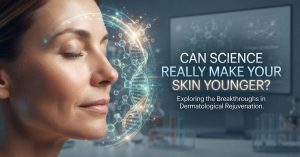
Imagine looking in the mirror one morning and noticing something you cannot quite explain.
Your skin does not necessarily look “old.” But it looks different.
Can Science Really Make Your Skin Younger
Perhaps your cheeks seem less firm than they once were. Fine lines that used to disappear when you smiled now remain visible. Your skin may appear duller, uneven, or more tired. Makeup does not sit the same way. Even after a good night’s sleep, your face may not have the freshness it once had.
This is where the science of skin rejuvenation becomes interesting.
Can Science Really Make Your Skin Younger
Modern dermatology cannot turn back biological time or permanently stop the aging process. However, advances in aesthetic and regenerative dermatology have given doctors ways to address several visible effects of skin aging.
Depending on the individual’s skin condition, treatment may focus on improving texture, pigmentation, hydration, firmness, elasticity, or stimulating processes associated with collagen remodeling.
Can Science Really Make Your Skin Younger
So, can science really make your skin younger?
It can help skin look healthier, smoother, firmer and more youthful—but realistic treatment is about improving skin quality, not promising to reverse age completely.
What Happens to Your Skin as You Age?
To understand skin rejuvenation, it helps to understand what happens beneath the surface.
Your skin is a living organ. It continuously renews itself, responds to environmental exposure and repairs everyday damage.
But these processes change over time.
One of the most important changes involves collagen.
Collagen: The Skin’s Structural Support
Can Science Really Make Your Skin Younger
Collagen is a major structural protein found throughout the skin. It contributes to its strength and structure.
As we age, the skin’s ability to maintain collagen and other structural components changes.
This can contribute to:
- Fine lines and wrinkles
- Reduced firmness
- Loss of elasticity
- Changes in skin texture
- A less plump appearance
- Visible signs of photographing
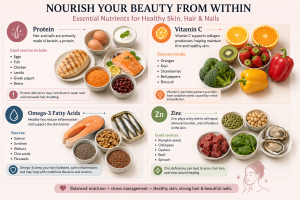
Collagen is not the only factor involved. Elastin, hyaluronic acid, hydration, cellular turnover, pigmentation and cumulative environmental exposure also influence how skin looks.
This is why a modern anti-ageing skin treatment plan should not focus on one ingredient, one laser, or one procedure for everyone.
Why Does Skin Ageing Happen?
Chronological ageing is only part of the story.
Your skin is also influenced by environmental and lifestyle factors.
1. Sun Exposure
UV radiation is one of the most important contributors to premature skin aging.
Repeated UV exposure can contribute to pigmentation, uneven skin tone, fine lines and changes in skin texture.
This is why daily sun protection remains one of the foundations of any long-term skin-aging strategy.
2. Declining Collagen Production
With increasing age, the skin’s collagen dynamics change.
Lower collagen production and increased breakdown can contribute to loss of firmness and the development of wrinkles.
3. Oxidative Stress
Environmental stressors can contribute to oxidative stress within skin cells.
This is one reason dermatologists often consider antioxidant protection and healthy lifestyle habits alongside professional treatments.
4. Hormonal Changes
Hormonal changes can affect skin thickness, hydration, oil production and elasticity.
The experience of ageing therefore differs considerably from one person to another.
5. Lifestyle and Environment
Sleep, nutrition, smoking, pollution, stress and repeated sun exposure can all influence skin health.
This is why there is no single universal skin aging treatment.
What Is Skin Rejuvenation?
Skin rejuvenation is a broad term used for approaches designed to improve the appearance and quality of ageing or damaged skin.
Rather than simply covering signs of aging, many modern treatments aim to encourage healthier-looking skin through mechanisms such as:
- Collagen stimulation
- Skin resurfacing
- Improved texture
- Reduction of certain pigmentation concerns
- Improved firmness
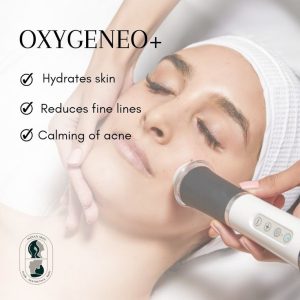
- Controlled tissue remodelling
The exact approach depends on the patient’s skin type, concerns, age, medical history and treatment goals.
In dermatology, the objective should always be individualised improvement rather than unrealistic perfection.
Can Skin Rejuvenation Increase Collagen?
One of the most discussed concepts in modern aesthetics is collagen stimulation.
Certain dermatological procedures can create controlled stimulation within the skin, triggering wound-healing and remodelling responses.
Over time, this may contribute to changes in collagen organization and skin texture.
The important word is controlled.
More aggressive treatment is not automatically better.
A qualified dermatologist must consider factors such as:
- Skin type
- Pigmentation tendency
- Degree of photographing
- Existing skin conditions
- Previous procedures
- Current skincare
- Downtime tolerance
- Desired outcome
The goal is to stimulate the skin appropriately while minimising unnecessary inflammation or complications.
What Skin Rejuvenation Treatments Are Available?
There is no single “best” skin rejuvenation treatment for everyone.
Modern dermatology offers several approaches, and doctors may use one treatment or combine different modalities depending on the patient’s needs.
Laser-Based Skin Rejuvenation
Certain lasers can target specific skin concerns, including aspects of pigmentation, texture and photographing.
Some resurfacing technologies work by creating controlled thermal effects in the skin, encouraging remodelling and renewal.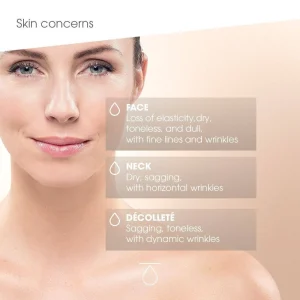
Laser treatment must be carefully selected according to skin type and concern because darker or pigmentation-prone skin may require particular precautions.
Microneedling and Collagen Stimulation
Microneedling uses controlled microscopic punctures to stimulate the skin’s natural repair response.
This process may support collagen remodeling and can be considered for concerns such as:
- Uneven texture
- Certain acne scars
- Fine lines
- Enlarged pores
- Overall skin quality
Results generally develop gradually rather than appearing overnight.
Radiofrequency-Based Treatments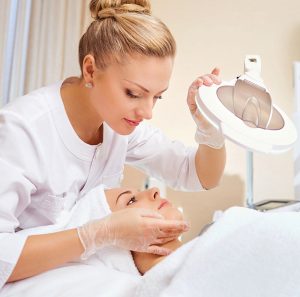
Radiofrequency technology uses controlled energy to heat targeted tissue.
Depending on the device and treatment method, this can be used to address aspects of skin laxity and stimulate remodeling.
Again, treatment parameters matter.
A procedure performed appropriately for one person may not be appropriate for another.
What Is Regenerative Aesthetics?
The term regenerative aesthetics is increasingly used in modern aesthetic medicine to describe approaches that focus on supporting the body’s own repair and regenerative processes.
The concept is different from simply filling or covering a wrinkle.
Instead, some regenerative approaches aim to influence the biological environment of the skin and support tissue repair or remodeling.
However, the field is evolving, and not every treatment marketed as “regenerative” has the same level of scientific evidence.
This is why patients should ask an important question:
What evidence supports this particular treatment for my specific skin concern?
A responsible dermatologist should be able to explain the expected benefits, limitations, possible risks and alternatives.
A Realistic Skin Rejuvenation Story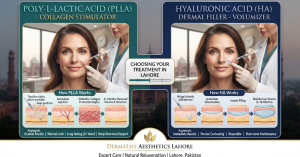
Consider a woman in her late 30s who visits a dermatologist because she feels that her face looks constantly tired.
She does not necessarily want dramatic cosmetic changes.
She simply wants her skin to look healthier.
During assessment, the dermatologist notices several factors: mild pigmentation, early fine lines, uneven texture and reduced skin firmness.
Instead of immediately recommending one aggressive procedure, the dermatologist considers the entire picture.
The treatment plan may include appropriate sun protection and skincare first, followed by professionally selected procedures aimed at improving particular concerns.
Over the following weeks and months, the goal is not to make her look like someone else.
The goal is subtle improvement:
better texture, more even-looking skin, improved firmness and a healthier overall appearance.
This is an important distinction.
Good aesthetic dermatology should enhance your features rather than erase them.
Can Skin Rejuvenation Actually Reverse Aging?
This is where patients deserve an honest answer.
No treatment can completely stop chronological aging.
Your skin will continue to age.
However, dermatological treatments can sometimes improve visible signs associated with aging and environmental damage.
Think of it this way:
You cannot stop the clock.